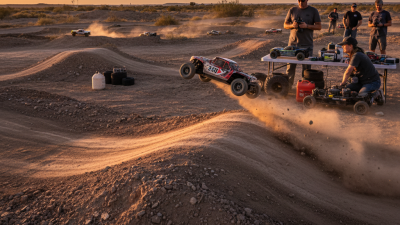
Choosing the best Gasoline Rc Cars in 2026 takes more than comparing top speed. Buyers should look closely at engine access, parts support, chassis durability, and the space needed to run a large-scale model. A car that looks impressive in a product photo may be awkward to maintain on a dusty driveway. Small details matter: reachable tuning controls, a secure air filter, and suspension arms that are easy to inspect after a rough landing.
This guide will compare the features that shape real ownership, including handling, running time, maintenance demands, and value. It will also distinguish gasoline-powered models from nitro cars, which use different fuels and require different care. That distinction can be easy to miss. We will favor practical evidence over bold speed claims, while noting that results vary with setup, surface, and driving style.
One sourcing point matters: no reference articles or verifiable expert quotation were supplied with the request. To protect accuracy, this introduction does not invent an expert’s name or words. A trustworthy comparison should attach any quoted specialist’s statement to a traceable interview or publication. That standard is worth keeping, even when it leaves a gap. The sections ahead will help readers weigh the trade-offs, check specifications, and choose a model suited to their experience and local running space.
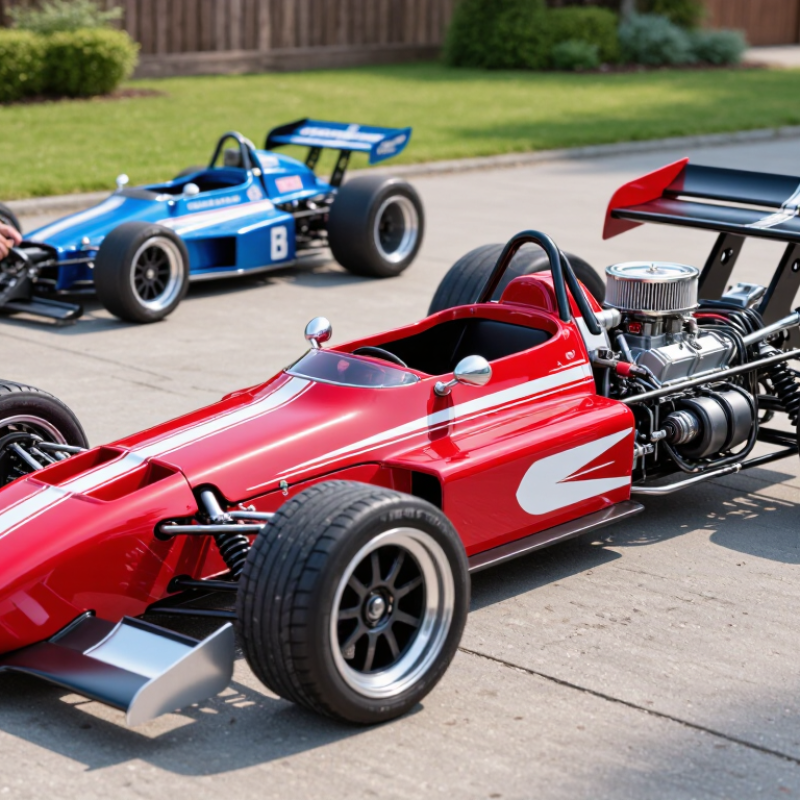
A gasoline-powered RC car turns a small engine’s combustion into motion. In many large-scale models, a two-stroke engine draws a gasoline-and-oil mixture through a carburetor. A spark plug ignites it, pushing the piston and turning the crankshaft. Then a clutch and gear train transfer power to the wheels. Small parts, real engine behavior.
This differs from nitro-powered models, which typically use a glow plug and a different fuel blend. Displacement varies; engines around 23–30 cc are common in larger cars. The throttle servo moves the carburetor linkage, while a separate steering servo turns the front wheels. A cold start can still humble an experienced driver. Fuel ratio and starting procedures depend on the engine maker’s specifications, so guessing is a poor habit.
The wider hobby market is growing, though published estimates generally cover radio-control toys rather than gasoline cars alone. Grand View Research estimated the global radio-control toys market at about $1.3 billion in 2023 and forecast a 9.2% compound annual growth rate from 2024 to 2030. That figure is useful context, not proof of gasoline-car sales.
In operation, expect engine vibration, exhaust odor, and sound; a loose linkage or dirty air filter can quickly spoil a run. Simple, but not effortless.

The best gasoline RC cars balance power with control, durability, and straightforward maintenance. A strong engine matters, but smooth throttle response matters more on loose dirt or uneven pavement. Look for a sturdy chassis, secure fuel lines, and an air filter that is easy to inspect. These details can prevent small problems from ending a run early. A reliable pull-start system also helps when the engine is warm and you want to get moving again.
Suspension quality is easy to judge on a bumpy track. The car should absorb shallow ruts without bouncing wildly or scraping its underside. Adjustable shocks and accessible replacement parts make repairs less frustrating. Check that the radio system offers a comfortable range and responsive steering, too. Bigger cars can feel stable, but their weight makes braking and transport more demanding. That trade-off is worth considering.
Tips: Before buying, confirm that routine parts are available and the setup suits your driving surface. Keep a small tool kit nearby. Clean the air filter after dusty runs, and let the engine cool before handling it. I would not choose a model by top speed alone; speed figures rarely describe how manageable a car feels in real conditions.
For mixed driving, a large-scale gasoline RC car with moderate power and adjustable suspension suits most hobbyists. It can handle packed dirt, short grass, and gravel without demanding expert control. Look for metal drivetrain components, accessible air-filter housing, and a chassis that leaves room for routine cleaning. Those details matter after dusty runs.
For rough trails, choose a model with generous ground clearance, long-travel suspension, and tires with deep, spaced lugs. It will crawl over ruts more confidently, though it may feel slower on smooth ground. For open spaces and higher speeds, a lower, wider chassis can feel steadier through sweeping turns. Keep enough braking control; top speed is not the whole story. A fast car is exciting. It can also be tiring.
For longer sessions, prioritize a practical fuel tank, reliable starting system, and parts that are easy to inspect. Check how quickly you can reach the spark plug, clutch, and drive components before buying. Gas engines bring vibration, exhaust odor, and more upkeep than electric models. Expect trade-offs. I would compare real user reports on starting and heat management, not just advertised speed. A first run on a broad, firm surface helps reveal steering response before you try uneven terrain. Even then, setup takes patience; I still find suspension tuning easy to overdo.
When comparing gasoline RC cars in 2026, look beyond advertised top speed. A car that accelerates smoothly over packed dirt may struggle on loose gravel. Check whether its weight, tire choice, and suspension suit the places you actually drive. That matters. A strong engine is useful, but predictable handling can make a model faster over a full lap.
Durability often depends on parts you can inspect. Look for a sturdy chassis, accessible air filter, and suspension arms that are easy to replace. After a dusty run, check the filter, wheel nuts, and drivetrain for grit or looseness. Keep a simple maintenance log. It can reveal recurring wear before a small issue becomes an expensive repair. Still, tougher parts may add weight, and heavier cars can feel less nimble.
Running costs include more than fuel. Budget for the correct oil and fuel mixture specified in the manual, plus tires, filters, spark plugs, and occasional clutch or drivetrain service. Ask how readily common replacement parts are available before buying. Some engines also need careful tuning as weather changes, which takes time and practice. Not glamorous. Compare the likely cost of a season of use, not just the purchase price, and be honest about how often you will maintain the car.
| Vehicle Type | Typical Engine and Scale | Typical Top Speed* | Runtime per Tank* | Durability Profile | Maintenance Needs | Typical Purchase Cost (USD)* | Best Suited For |
|---|---|---|---|---|---|---|---|
| Large-scale 2WD buggy | Approximately 23–32 cc, 1/5 scale | About 25–40 mph (40–64 km/h), depending on gearing and terrain | Roughly 30–45 minutes of mixed driving | Relatively simple drivetrain and fewer front-end drive parts; tires, suspension arms, and clutch components can wear quickly on rough ground. | Clean the air filter, inspect fasteners, check clutch and brake wear, and use the engine maker’s specified gasoline-to-2-stroke-oil mix. | $500–$900 | Drivers seeking a comparatively simple large-scale car for dirt tracks and open areas. |
| Large-scale 4WD buggy | Approximately 26–32 cc, commonly 1/5 scale | About 30–45 mph (48–72 km/h), depending on setup and surface | Roughly 25–40 minutes of mixed driving | Four-wheel drive improves traction, but adds differentials, drive shafts, and other components that require inspection and can increase repair complexity. | In addition to engine checks, inspect drivetrain joints, differential lubrication, wheel bearings, and suspension hardware. | $700–$1,300 | Drivers who want stronger traction on loose dirt or uneven ground and are comfortable with more drivetrain upkeep. |
| Large-scale stadium truck | Approximately 23–32 cc, usually 1/5 scale | About 25–40 mph (40–64 km/h), varying with tire size and gearing | Roughly 30–45 minutes of mixed driving | Large tires and relatively high ground clearance suit bumpy surfaces; jumps and hard landings can damage suspension parts, wheels, or chassis components. | Check tires, wheel nuts, suspension links, shock condition, and engine air filtration after dusty runs. | $600–$1,100 | Drivers who prefer a higher-clearance vehicle for rough tracks and general off-road use. |
| Large-scale on-road car | Approximately 23–32 cc, commonly 1/5 scale | About 35–50 mph (56–80 km/h) on a suitable paved surface; actual speed varies substantially | Roughly 25–40 minutes of mixed driving | Smooth pavement reduces suspension impacts, but low ground clearance makes the car vulnerable to bumps; tires and brakes are important wear items. | Inspect tires, brakes, steering, and fasteners; keep the air filter clean and avoid debris that can enter the drivetrain. | $600–$1,200 | Drivers with access to a clean, open paved area and a preference for higher-speed running. |
*Figures are broad, non-brand-specific estimates rather than guaranteed specifications. Speed and runtime depend on engine condition, gearing, fuel, vehicle setup, driving style, and surface. Purchase prices vary by region and included equipment. Running costs depend on local fuel prices and use; exclude the initial purchase, crash damage, and major repairs. Always follow the engine and vehicle instructions for fuel mixture, operation, and maintenance.
Before choosing a gasoline RC car, match its scale and engine size to your actual driving space. A large model feels planted on dirt, but needs room to turn and transport. Check ground clearance, suspension travel, and whether replacement tires and drivetrain parts are easy to find. Grand View Research’s 2024 remote-control-car market analysis estimated the global market at about US$1.2 billion in 2023. That figure includes electric cars and toys, so it does not establish gasoline-model durability or performance.
Think about ownership, not just speed. A gasoline engine needs fuel, air-filter cleaning, clutch checks, and occasional tuning. Expect wrench time. Before buying, inspect how easily you can reach the carburetor, spark plug, and pull starter; cramped access makes routine work frustrating. Ask about realistic run time per tank and the cost of commonly replaced parts. A broad, quiet practice area matters too, since engine noise can limit where you drive. It is tempting to overvalue top speed. That can be a mistake: predictable steering and dependable brakes matter more on uneven ground. A cold-start demonstration is useful, though one successful start cannot prove long-term reliability.