Leave Your Message

7 Best Petrol RC Cars for Sale Worldwide?

Choosing the right Petrol Rc Cars can feel difficult when worldwide listings show different prices, engines, and equipment. A model that performs beautifully on dry grass may struggle on loose gravel or damp ground. This guide introduces seven strong options for sale across international markets. Each choice is considered through practical details, including engine size, drive system, suspension travel, fuel access, spare parts, and control range.

Real-world ownership matters more than impressive advertising. A petrol-powered buggy may sound exciting, but starting it, tuning the carburetor, and cleaning the air filter require patience. A large-scale truck can cross rough terrain confidently, yet its weight demands careful transport and storage. These recommendations reflect common enthusiast priorities and manufacturer specifications, while recognising that availability changes by country. Local age requirements, noise rules, import duties, and operating restrictions should always be checked before purchase.

No list is perfect.

I have learned that speed alone does not define value. Reliable brakes, strong shock towers, accessible replacement parts, and clear service instructions often matter more after several weekends of driving. Some models may appear expensive initially but reduce frustration through better support. Others offer excellent performance but need more mechanical experience. The following selection aims to balance excitement, durability, maintenance demands, and long-term ownership confidence. Expect honest trade-offs, not exaggerated promises, because the best Petrol Rc Cars depend on your terrain, budget, skills, and expectations.
7 Best Petrol RC Cars for Sale Worldwide?

What Are Petrol RC Cars and How Do They Work?

Petrol RC cars are miniature vehicles powered by a small internal-combustion engine. Unlike electric models, they burn a petrol-based fuel mixture inside a cylinder. A piston moves rapidly as the mixture ignites, creating power for the drivetrain. The crankshaft transfers this power through a clutch, gearbox, and differential to the wheels.

The engine usually starts with a pull starter or electronic ignition system. A carburetor controls the fuel and air entering the cylinder. Correct adjustment matters. Too much fuel can produce smoke and sluggish acceleration, while too little may overheat the engine. I have found that cold starts often require patience, especially after storage. The sound and vibration feel remarkably realistic.

These cars need more care than many electric models. After driving, owners should inspect the air filter, clean dirt from the chassis, and check loose screws. Fuel should be stored safely and used only in suitable outdoor areas. Local noise limits and shipping rules may differ worldwide, so buyers should check regional requirements before ordering. Petrol models can reach high speeds, but control depends on tyres, suspension setup, and driving surface. My own setup is still not perfect; small tuning changes sometimes improve speed but reduce reliability. That trade-off deserves honest attention.

7 Best Petrol RC Cars for Sale Worldwide? - What Are Petrol RC Cars and How Do They Work?

Comparison of popular petrol RC car types using typical specifications available in the worldwide market

Rank Petrol RC Car Profile Typical Scale Engine and Fuel Drive System Best Use Typical Top Speed Typical Runtime Key Strength
1 Large-Scale 4WD Off-Road Buggy 1:5 23–32 cc, air-cooled two-stroke petrol engine; unleaded petrol mixed with two-stroke oil according to the engine manual Four-wheel drive with sealed gearboxes and differentials Loose soil, grass, gravel, dirt tracks and large outdoor areas 55–75 km/h 35–50 minutes per tank Excellent traction, ground clearance and stability over uneven terrain
2 Large-Scale 2WD Off-Road Buggy 1:5 23–32 cc, air-cooled two-stroke petrol engine using a petrol-and-oil mixture Rear-wheel drive Dry dirt, hard-packed tracks, grass and recreational bashing 60–80 km/h 35–50 minutes per tank Lower mechanical complexity, lighter weight and a lively driving feel
3 Large-Scale 4WD Short-Course Truck 1:5 or 1:6 23–32 cc, air-cooled two-stroke petrol engine with a tuned exhaust system Four-wheel drive Jumps, compact dirt circuits, rough tracks and high-impact driving 50–70 km/h 30–45 minutes per tank Strong suspension travel, protective bodywork and good jump control
4 Large-Scale 4WD Monster Truck 1:5 26–32 cc, air-cooled two-stroke petrol engine Four-wheel drive with high-clearance transmission components Grass, mud, gravel, ramps and uneven recreational terrain 45–65 km/h 30–45 minutes per tank Very high ground clearance and large tires for difficult surfaces
5 Large-Scale 2WD Stadium Truck 1:5 or 1:6 23–30 cc, air-cooled two-stroke petrol engine Rear-wheel drive Grass, hard-packed soil, open parks and casual track driving 50–70 km/h 35–50 minutes per tank Good balance between speed, durability, handling and running cost
6 Large-Scale 2WD On-Road Touring Car 1:5 23–32 cc, air-cooled two-stroke petrol engine Rear-wheel drive Paved surfaces, parking areas and smooth closed circuits 70–95 km/h 25–40 minutes per tank High straight-line speed, low center of gravity and responsive steering
7 Large-Scale 4WD Rally Car 1:5 or 1:6 23–32 cc, air-cooled two-stroke petrol engine Four-wheel drive Mixed surfaces such as tarmac, compact dirt, gravel and grass 55–80 km/h 30–45 minutes per tank Versatile handling across both paved and light off-road surfaces
How petrol RC cars work: A petrol RC car uses a small internal-combustion two-stroke engine. The fuel mixture enters the engine, is compressed and ignited by a spark plug, and the expanding gases turn the crankshaft. A clutch transfers engine power to the transmission, while the radio transmitter controls the throttle and steering servos. Petrol models are generally larger and quieter in operation than nitro models, but they require fuel mixing, tuning, ventilation and regular maintenance. Actual speed, runtime and performance vary with engine size, gearing, vehicle weight, tires, terrain, weather and driving style.

Key Factors for Choosing a Petrol RC Car Worldwide

Choosing among the 7 best petrol RC cars for sale worldwide requires more than comparing speed. Your location, driving surface, maintenance access, and local noise rules matter just as much. A dependable engine should start consistently, idle smoothly, and accept ordinary, legally available fuel. Ask the seller for cold-start videos, service records, and clear parts availability. These details reveal more than polished photographs.

Engine size affects acceleration, fuel use, weight, and heat management. For beginners, predictable throttle response is usually more useful than extreme power. Four-wheel drive improves control on loose gravel, while two-wheel drive can feel lighter and more playful. Check suspension travel, metal gearing, brake adjustment, and the quality of the air filter. Small weaknesses become expensive later. A sealed receiver box helps when dust or damp grass appears, though it is never waterproof protection.

Worldwide buyers should confirm shipping restrictions, import duties, and regional operating requirements before paying. Use protective equipment and drive only in suitable, permitted areas away from people and traffic. I value a seller who explains tuning patiently, not one promising impossible speed. My preference changed after seeing fast cars overheat during long runs. Cooling, spare parts, and repair guidance now rank above headline speed. No choice is perfect. A realistic ten-minute test run often exposes hidden vibration, weak braking, or rising engine temperature.

The Seven Best Petrol RC Cars for Sale Worldwide

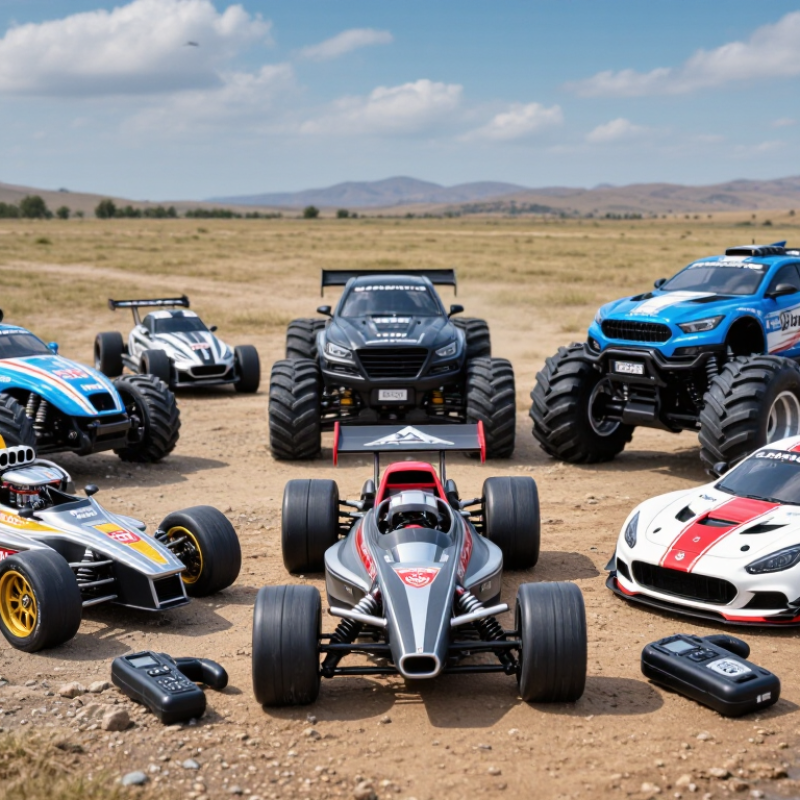
The seven best petrol RC cars for sale worldwide should match driving conditions, maintenance skills, and available parts. A 1/5-scale rear-wheel-drive buggy suits dry beaches and open dirt tracks. It feels lively, but its rear tyres can lose grip quickly. A 1/5-scale four-wheel-drive short-course truck offers stronger control on loose ground. It is heavier and uses more fuel. The 1/8-scale petrol buggy is easier to transport. Its compact frame works well on prepared tracks, although small components demand careful cleaning. A petrol monster truck handles grass, stones, and uneven paths confidently. Its tall suspension looks impressive, but sharp turns can cause rollovers.

The remaining three choices cover different driving needs. A petrol rally car provides stable cornering on gravel and packed soil. Its lower clearance is a weakness on deep mud. A touring-style petrol car performs best on smooth pavement, with precise steering and strong braking. It needs a clean surface, not a rough field. A long-range petrol truck suits extended outdoor sessions and carries a larger fuel tank. Extra weight may reduce acceleration. Each option should include a reliable radio system, accessible replacement parts, and a protected air filter. Check regional sale, transport, fuel, and noise requirements before ordering. Petrol engines also need warm-up time and regular tuning. Small mistakes happen. My preference changes after every season, because terrain often matters more than advertised speed.

Performance, Maintenance, and Running Cost Comparison

7 Best Petrol RC Cars for Sale Worldwide?

Comparing seven petrol RC cars requires more than checking top speed. Engine size, drivetrain, suspension travel, and spare-part access affect real performance. A large-scale off-road model can reach about 60 km/h, but loose soil, wind, and tire choice change the result. Smaller models usually cost less to transport and repair. They also feel less stable on rough ground.

Maintenance separates exciting cars from expensive disappointments. After each run, I inspect the air filter, clutch, brake linkage, and fuel lines. Dust collects around the pull-start area quickly. A clean filter protects the engine, although cleaning it is easy to forget. Oil changes, spark plug replacement, and gearbox checks may cost 30 to 90 dollars annually for moderate use. Hard racing can double that figure. My estimate is imperfect because local labor prices vary widely.

Running costs include fuel, shipping, tools, batteries, and replacement parts. A typical session may use 0.5 to 1 litre of petrol-oil mixture, depending on engine tuning and terrain. Fuel is cheaper than many electric alternatives per hour, but petrol cars need more workshop time. International buyers should verify parts availability before purchasing. A low sale price can become costly when a small suspension arm takes three weeks to arrive. I prefer durable metal components, though they add weight and sometimes reduce acceleration. Performance is not always the best value.

Where to Buy Petrol RC Cars and Check Global Availability

7 Best Petrol RC Cars for Sale Worldwide

Finding petrol RC cars worldwide starts with a reliable sales channel. Specialist hobby retailers usually provide clearer specifications, spare-part details, and verified stock information. Local distributors can also simplify delivery, warranty claims, and technical support. I prefer sellers who show chassis photos, engine size, radio equipment, and current availability. A glossy listing is not enough.

Check regional stock before paying. Some retailers display overseas inventory without confirming delivery dates. Petrol engines, fuel containers, and batteries may face different shipping restrictions. Ask whether the car ships assembled, whether fuel is excluded, and who handles customs paperwork. Local laws may also regulate engine noise, operating areas, or minimum user ages. Confirm these rules through official government or transport websites.

For the seven strongest choices, compare off-road trucks, buggies, rally models, and large-scale cars by terrain and maintenance needs. Examine tire quality, suspension movement, brake access, and replacement-part availability. A nearby parts supplier can matter more than a small price difference. My own mistake was choosing a powerful model with scarce components. It looked impressive, but repairs took weeks. Read independent owner reviews, inspect return policies, and request a real stock confirmation before ordering. Availability changes quickly.