What is the Best Rc Airplane Kits for Beginners and Advanced Hobbyists
The world of radio-controlled (RC) aviation has witnessed remarkable growth in recent years, with a marked increase in the number of hobbyists both new and seasoned. According to a report by the Association for Unmanned Vehicle Systems International (AUVSI), the global market for RC aircraft is projected to exceed $2.5 billion by 2025, reflecting a surge in interest among individuals seeking to engage in this exhilarating pastime. Central to this phenomenon are RC airplane kits, which provide both beginners and advanced hobbyists with a comprehensive gateway into the art of aerodynamics, construction, and piloting.
For beginners, proficiently choosing the right RC airplane kit can mean the difference between an enjoyable introduction to the hobby and a frustrating experience that may lead to early abandonment. Conversely, advanced hobbyists seek kits that offer intricate designs and enhanced performance capabilities. As the industry continues to evolve, the variety of options available caters to a broad spectrum of skill levels and preferences, making it crucial for enthusiasts to evaluate their choices based on criteria such as ease of assembly, material quality, and flight performance. This article aims to explore the best RC airplane kits on the market, addressing the needs of both novice flyers and experienced builders through a comprehensive review and comparison of their unique features and benefits.
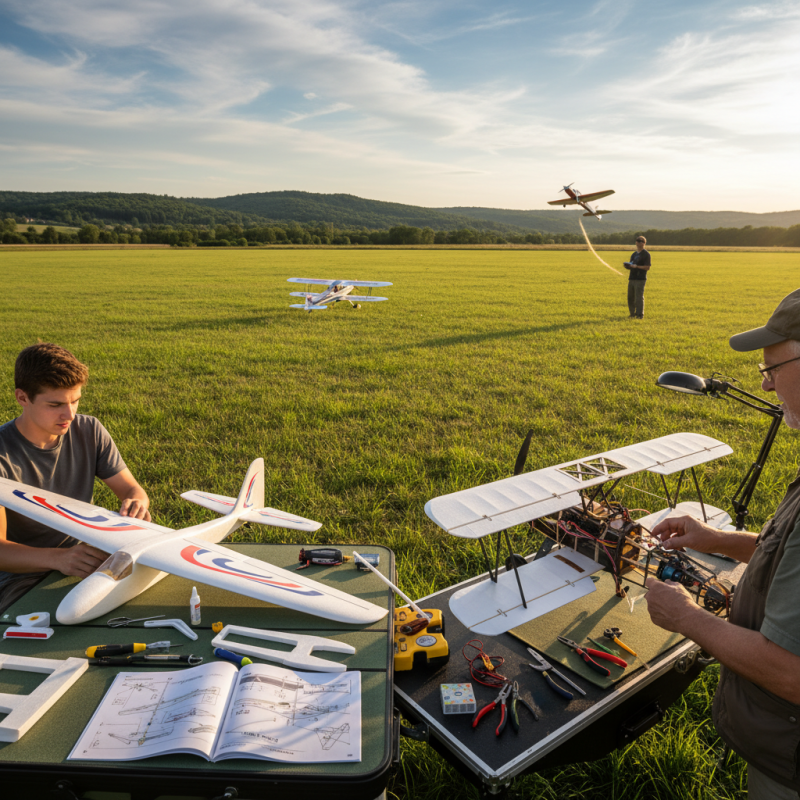
Overview of RC Airplane Kits for Different Skill Levels
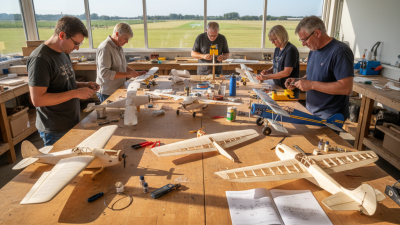
When it comes to choosing the right RC airplane kits, it's essential to consider your skill level as both a beginner and an advanced hobbyist. For beginners, the ideal kits often contain everything needed for assembly and usually come with detailed instructions and pre-cut parts. These kits are designed to ease newcomers into the world of RC flying by providing simple designs and user-friendly features. Foam models are a popular choice, as they are lightweight, affordable, and have excellent durability, making them suitable for initial flights where mishaps can occur.
On the other hand, advanced hobbyists may prefer more complex and customizable kits that allow for a greater degree of precision and performance. Such kits often require a deeper understanding of aerodynamics and may involve assembling components such as servo motors, electronic speed controls, and advanced radio systems. This level of kit typically offers a broader range of materials, allowing for enhancements like lightweight balsa wood or composite materials, which can significantly improve flight dynamics. Advanced kits empower hobbyists to tailor their aircraft to specific flying styles and preferences, fostering innovation and creativity in their builds.
Key Features to Consider When Choosing RC Airplane Kits
When selecting RC airplane kits, beginners and advanced hobbyists should focus on several key features that can significantly impact their flying experience. Firstly, the ease of assembly is crucial; beginners may prefer kits that come with clear instructions and pre-assembled parts to minimize frustration and build time. Advanced hobbyists, on the other hand, might appreciate more complex kits that allow for customization and experimentation, providing a deeper engagement with the aircraft's design and functionality.
Another important consideration is the materials used in the construction of the airplane. Lightweight materials like foam and balsa wood are common in beginner kits, as they make the aircraft easier to handle and fly. For advanced users, durability and performance are often prioritized, leading them towards kits made from stronger composites or traditional wood that can withstand more rigorous flying conditions. Additionally, the type of propulsion system—whether it's electric or fuel-powered—also plays a role in selecting the right kit, as it affects the performance and maintenance requirements of the aircraft.
RC Airplane Kits Comparison for Beginners and Advanced Hobbyists
Top RC Airplane Kits for Beginners: An In-Depth Review
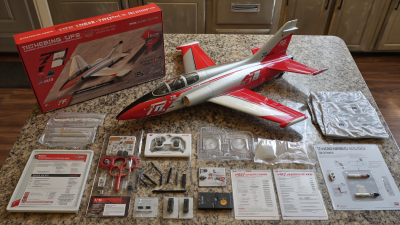
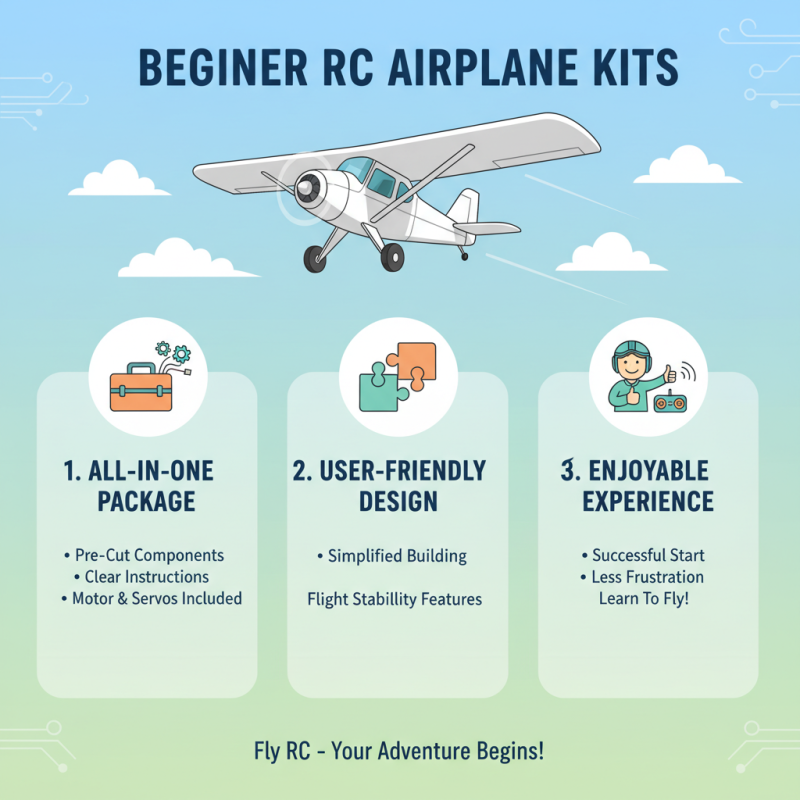
When venturing into the world of remote control (RC) airplanes, beginners are often overwhelmed by the myriad of options available. Selecting the right kit can make the difference between a successful, enjoyable start and a frustrating experience. A great beginner kit typically includes everything necessary for assembly, such as pre-cut components, clear instructions, and essential electronics like the motor and servos. Kits that emphasize user-friendly designs, such as simplified building techniques and stability features, are particularly beneficial for newcomers who may not yet possess the technical skills required for advanced builds.
Additionally, safety and durability are critical factors for any beginner’s kit. Choosing materials that can withstand crashes while maintaining a lightweight structure can instill confidence in new pilots. Many beginner kits also come with features like auto-stabilization technology, which can help novices learn to fly without the added stress of managing every aspect of control. Ultimately, the best RC airplane kits for beginners will provide a balance of ease of assembly, stability in flight, and the educational experience needed to build skills for progression into more advanced models.
Recommended RC Airplane Kits for Advanced Hobbyists
When it comes to RC airplane kits for advanced hobbyists, the market continues to evolve, providing a plethora of options that cater to a range of skill levels and flying styles. According to a recent industry report by the Association for Unmanned Vehicle Systems International (AUVSI), the demand for sophisticated RC kits has seen an annual growth rate of approximately 12%. This surge is driven by innovations in materials and technology, making high-performance models more accessible to enthusiasts seeking to push their limits.
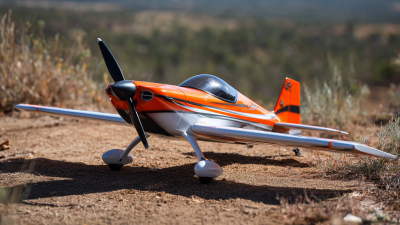
Advanced hobbyists often favor kits that offer a blend of speed, maneuverability, and build complexity. For instance, kits made from lightweight composites like carbon fiber not only enhance performance but also improve durability. The average operating weight of an RC airplane has decreased over the years, allowing for increased flight time and versatility in different flying conditions. A survey conducted by the Radio Control Hobbyist Association revealed that 68% of advanced fliers prioritize models that support a variety of configurations and upgrades, enabling them to tailor their aircraft to suit personal preferences.
Moreover, advanced kits frequently include features such as programmable flight controllers and support for 3D flying capabilities. These enhancements allow experienced flyers to explore aerobatic maneuvers and complex flight patterns. Market insights indicate that a substantial portion of users are leaning toward kits that offer modularity, allowing for seamless upgrades as technology progresses, ultimately enhancing their flying experience and standing in the competitive hobbyist community.
Maintenance Tips for Extending the Life of Your RC Airplane Kit
Maintaining your RC airplane kit is crucial for ensuring longevity and peak performance. According to industry experts, regular maintenance can extend the life of your aircraft by up to 50%. Simple practices like keeping your model clean and free from debris can prevent wear and tear. Ensure to inspect every component—wings, tail, and motors—before each flight. A routine check helps identify potential issues and saves you from costly repairs down the line.
Tip: Always store your aircraft in a cool, dry place. Excessive heat and humidity can warp structure and damage electronic components. Additionally, don't forget to replace batteries regularly, as old or damaged batteries can significantly affect flight performance and safety.
Another key aspect of maintenance is the careful examination of control surfaces. Loose servos or misaligned parts can lead to disastrous flight experiences. Regularly recalibrating these systems can enhance overall control and responsiveness. Investing a little time each week can lead to an enjoyable and trouble-free flying experience.
Tip: Consider keeping a maintenance log to track any repairs, replacements, and upgrades. This record will provide invaluable information for troubleshooting and can help you establish a consistent maintenance routine tailored to your specific RC model.