Leave Your Message

What Is a Panda Soft Toy and How to Buy Wholesale?

A Panda Soft Toy is more than a black-and-white plush gift. Its rounded ears, soft belly, and gentle facial expression create strong emotional appeal for children, collectors, and themed retailers. Grand View Research estimated the global stuffed toys market at approximately USD 10.7 billion in 2023, with continued growth expected through 2030. The report connects this expansion with gifting, character merchandise, and online retail demand. These trends make panda plush products attractive for wholesale buyers. Yet market size alone cannot prove that every design will sell.

Wholesale purchasing requires practical judgment. Buyers should check fabric composition, stitching strength, filling cleanliness, embroidery quality, and washable labels. Safety documentation matters, especially when products target children. Depending on the destination, suppliers may need to provide relevant test reports for standards such as EN 71, ASTM F963, or CPSIA requirements. The Toy Association’s industry research also highlights the importance of quality, innovation, and consumer trust in toy purchasing decisions. A low unit price can become expensive after defects, rework, or unsold stock appear.

Ask for a physical sample.

Compare the sample with the production batch. Review minimum order quantity, carton size, lead time, packaging, and customization charges before confirming an order. Supplier audits and independent inspections can reduce uncertainty. However, no report replaces direct product testing. Sales forecasts can also be imperfect, especially for seasonal panda designs. A careful buyer should test a smaller quantity first, study customer feedback, and improve the next order. This guide explains what a Panda Soft Toy includes and how to source it responsibly, consistently, and commercially.
What Is a Panda Soft Toy and How to Buy Wholesale?

What Is a Panda Soft Toy? Materials, Sizes, and Safety Features

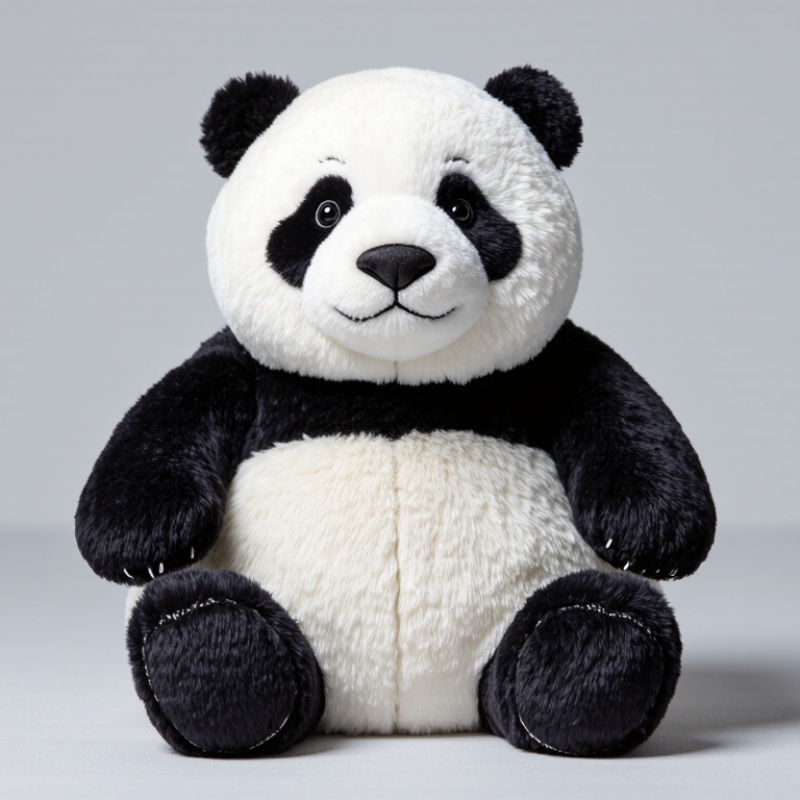
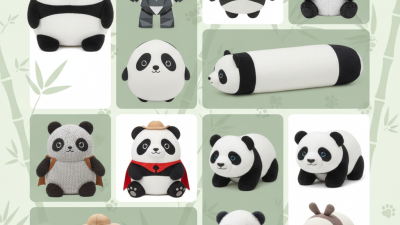
A panda soft toy is a stuffed figure shaped like a panda, usually with rounded ears, dark eye patches, and a soft body. Its feel depends on the materials. Polyester plush is common because it is lightweight and holds its shape; cotton fabrics can feel breathable but may wrinkle or shrink if care instructions are unclear. The filling is often polyester fiber. Check whether seams are even and firmly closed, especially around the ears and limbs. Small details matter.

Sizes range from palm-sized toys to large floor cushions. For wholesale orders, request measurements and a physical sample rather than relying on photos. A 20-centimeter toy may suit gift displays, while larger sizes need more shelf and shipping space. Ask suppliers to identify fabric, filling, cleaning method, and age grading. Safety features deserve close inspection: securely attached eyes and noses, no loose threads, and seams that resist gentle pulling. For toys intended for young children, embroidered facial details can reduce the risk of small parts detaching. Verify applicable safety testing documents for the target market, and confirm that they match the exact product and materials. A certificate alone does not show how well a toy is finished. I would also check the sample after washing; colors can fade, and stuffing can clump. That detail is easy to miss.

Global Stuffed Toy Market: USD 7.06 Billion in 2022 (GVR)

What Is a Panda Soft Toy and How to Buy Wholesale?

A panda soft toy is a plush figure made to resemble a panda, often with soft fabric, stitched features, and polyester filling. Its appeal is easy to understand: rounded ears, dark eye patches, and a gentle expression make it recognizable on a crowded shelf. The global stuffed toy market was valued at USD 7.06 billion in 2022, according to Grand View Research (GVR). That figure signals a substantial market, but it does not guarantee demand for every design or region. Retailers still need to consider local tastes, price points, and seasonal buying patterns. Small details matter.

Wholesale purchasing calls for more than comparing unit prices. Ask suppliers for material specifications, size measurements, sample photos, and packaging details. Check stitching around the eyes and seams, since these areas can reveal uneven finishing. Confirm order quantities, production timelines, and what happens if delivered goods differ from the approved sample. A sample may feel softer than a bulk shipment. That risk deserves attention.

Tips: Request a physical sample before placing a large order. Compare its color, filling, and stitching under ordinary store lighting. Calculate shipping and storage costs alongside the quoted price. Keep a written record of specifications and approvals; it helps prevent avoidable misunderstandings.

How Panda Soft Toys Are Manufactured: Design, Filling, and Quality Checks

What Is a Panda Soft Toy and How to Buy Wholesale?

How Panda Soft Toys Are Manufactured: Design, Filling, and Quality Checks

A panda soft toy begins with a simple sketch, but production requires careful decisions. Designers check proportions, facial expression, seam placement, and sitting balance before creating a sample. The black-and-white fabric must also match the intended texture. A soft, short pile feels neat, while longer fibers create a fluffier appearance.

Factories usually cut fabric with templates and sew panels into a partial shell. Workers then add polyester filling through a small opening. The filling should feel even, without hard lumps or empty corners. Overfilling can distort the face. Underfilling may make the toy collapse. It is a delicate balance.

Quality checks should cover stitching, fabric strength, loose threads, and attachment points. Inspectors often pull ears, arms, and embroidered features by hand. They also examine the toy after compression and repeated handling. For wholesale buyers, a pre-shipment sample is valuable, but it cannot replace random carton inspections. Ask about material specifications, production records, and test documentation relevant to the target market.

No batch is perfect. A slight expression difference may appear between samples and bulk units. That weakness deserves discussion, not concealment. Buyers should define acceptable tolerances before production begins. I have found that clear photos, measurements, and written inspection points prevent costly misunderstandings. The cheapest quote can hide uneven filling or rushed stitching. A reliable supplier explains these risks plainly.

What Is a Panda Soft Toy and How to Buy Wholesale? — How Panda Soft Toys Are Manufactured: Design, Filling, and Quality Checks

Stage or Buying Dimension Typical Details What to Check Why It Matters
Product definition A panda soft toy is a stuffed fabric toy shaped and decorated to resemble a panda. Common features include a rounded body, contrasting dark patches, and soft plush fabric. Confirm the intended age group, finished size, appearance, and whether the design is for play, display, or gifting. A clear specification helps the maker develop the right pattern, materials, construction, and safety requirements.
Design and artwork The design is translated into a product specification, drawings, color references, and a sewing pattern. Facial details may be embroidered or made with securely attached components. Review the sample from the front, back, and sides; check proportions, facial placement, color matching, and approved details. Design approval before production reduces inconsistent appearance and avoidable changes to the finished goods.
Fabric selection Polyester plush is commonly used for the outer fabric. Pile length, surface texture, backing, color, and fabric weight can vary by design. Request a fabric swatch and check softness, color, shedding, and whether the material matches the approved sample. Fabric choice affects the toy’s feel, appearance, durability, and care requirements.
Patterning and cutting Pattern pieces are laid out and cut from fabric, with separate pieces often used for the body, ears, limbs, and contrasting patches. Check that cut pieces follow the approved pattern and that paired parts are consistent in size and shape. Accurate cutting supports balanced assembly and helps keep finished dimensions consistent.
Sewing and assembly Fabric pieces are sewn together, usually with an opening left for filling. Seams are turned and inspected before the toy is closed. Inspect seam alignment, skipped stitches, open seams, loose threads, and reinforcement at stress points such as limbs. Sound construction helps the toy retain its shape and reduces the risk of seams opening during use.
Filling and shaping Polyester fiberfill is commonly used as stuffing. The amount depends on the toy’s size, pattern, and desired firmness; filling is distributed to shape the head, body, and limbs. Check for even filling, a secure closure, a balanced shape, and no obvious hard lumps or empty areas. Consistent filling contributes to a comfortable feel and a uniform finished appearance.
Facial details and attachments Eyes, noses, and other details may be embroidered or attached as components, depending on the design and intended age group. Check that details are securely fixed and appropriate for the destination market and age grading. For products intended for young children, avoid small detachable parts where required by applicable rules. Small components can present a choking hazard if they detach, so construction and age suitability need careful assessment.
In-process quality checks Checks may take place after cutting, sewing, filling, and final closure rather than only at the end of production. Use the approved sample and specification to compare measurements, color, stitching, shape, and workmanship at each relevant stage. Finding defects during production can prevent the same issue from affecting a larger batch.
Final inspection and testing Finished toys can be checked for appearance, dimensions, seam integrity, loose fibers, and packaging. Applicable toy safety testing depends on the product and destination market. Ask which standards and test reports apply to the specific toy and market. Examples include EN 71 in the European context and ASTM F963 in the United States; applicability and requirements should be confirmed for the product. Requirements differ by market, product design, and age grading. A general inspection does not replace required compliance testing.
Wholesale specification Before ordering, document the approved design, materials, finished dimensions, filling, packaging, labeling, quantity, and delivery terms. Request a written quotation and confirm minimum order quantity, sample charges, production lead time, payment terms, and shipping arrangements directly with the supplier. Wholesale terms vary between suppliers and orders, so written confirmation helps avoid misunderstandings.
Pre-production sample A sample made to the proposed production specification can be reviewed before the full order is manufactured. Approve the sample in writing and retain a reference sample for comparison with production goods. A documented reference makes it easier to assess whether bulk production matches the agreed design and quality level.
Packaging and shipment Packaging may include an individual bag, label, or carton, depending on the order and destination requirements. Confirm packaging materials, carton quantities, shipping marks, labeling details, and any destination-specific requirements before dispatch. Clear packaging and shipping instructions help protect goods and support smoother receiving and distribution.

Specifications, safety obligations, minimum order quantities, and lead times vary by design, supplier, and destination market. Confirm all details in writing before placing a wholesale order.

Wholesale Panda Soft Toys: MOQ, Pricing, Lead Times, and Supplier Audits

A panda soft toy is more than a cute gift item. It is a fabric product with filling, stitching, facial details, and packaging requirements. For wholesale buyers, the real questions concern MOQ, pricing, production time, and supplier reliability.

MOQ often ranges from a few hundred pieces to several thousand. A lower MOQ may increase the unit price. Ask whether the quantity applies per color, size, or complete order. Request a written quotation showing sampling fees, packaging costs, and shipping terms. Soft toys with embroidered eyes, recycled filling, or custom labels usually cost more. The cheapest offer is not always the safest choice.

Lead times commonly include sampling, approval, production, and inspection. Allow extra days for fabric shortages or design changes. I prefer a physical sample before confirming bulk production. Photos can hide uneven seams and firm stuffing. Supplier audits should review factory cleanliness, worker training, material records, and quality checks. Ask for recent test reports and batch inspection records. Verify that the documents match the actual product.

I once treated a supplier’s fast reply as a quality signal. That was a mistake. Communication matters, but evidence matters more. Keep approved samples, measurement sheets, and defect limits in writing. A small pre-shipment inspection can reveal loose threads, stains, or incorrect labels before the cartons leave the factory.

Compliance Essentials: ASTM F963, EN 71, CPSIA, and CE Requirements

A panda soft toy is a plush product made for comfort, play, or nursery decoration. Wholesale buyers should assess fabric, filling, stitching, seams, eyes, and age grading before discussing price. Soft does not mean low risk. Loose fibers, detachable parts, or accessible filling can create hazards.

In the United States, ASTM F963 sets toy safety requirements, while CPSIA adds testing, tracking labels, lead limits, and phthalate controls. A Children’s Product Certificate should identify the tested product and applicable rules. The U.S. Consumer Product Safety Commission reported an estimated 231,000 toy-related emergency-room injuries in 2023. That figure shows why a panda’s embroidered features may be safer than hard plastic attachments. Test samples should match mass-production materials. They often do not.

For European sales, EN 71 covers mechanical and physical safety, flammability, and chemical migration. CE marking requires a documented conformity assessment, technical file, risk review, and Declaration of Conformity. It is not simply a laboratory logo. Review EN 71-1, EN 71-2, and EN 71-3 for plush toys, then check textile dyes, stuffing, zippers, and packaging. The European Commission’s 2023 Safety Gate report recorded more than 3,400 product alerts across consumer categories, reinforcing the value of traceability. Ask suppliers for recent accredited-lab reports, batch records, and corrective-action evidence. A missing document may not prove danger, but it deserves investigation.