Why Are Rc Cars For Adults Increasing In Popularity?
The rise of RC cars for adults is more than a trend; it’s a cultural shift. Once viewed as toys for children, these cars now attract a diverse age group. Adults are rediscovering the joy of remote control vehicles. They bring thrilling experiences and spark nostalgia.
Many find an escape through RC cars for adults. It's a break from everyday stresses. The excitement of racing or customizing these vehicles brings joy. Hobbyists enjoy building and modifying their cars. The details in these models captivate enthusiasts, allowing for personal expression. A well-tuned car can become a reflection of its owner.
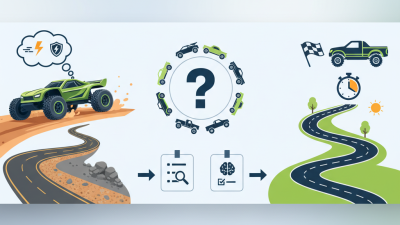
However, there are challenges in this hobby. Some find it difficult to choose the right model. Others struggle with maintenance and upgrades. The community is vast, but newcomers may feel overwhelmed. Despite these hurdles, the passion continues to grow. This encourages reflection on what it means to enjoy something purely for fun. The world of RC cars for adults invites exploration, making it an exciting choice for many.
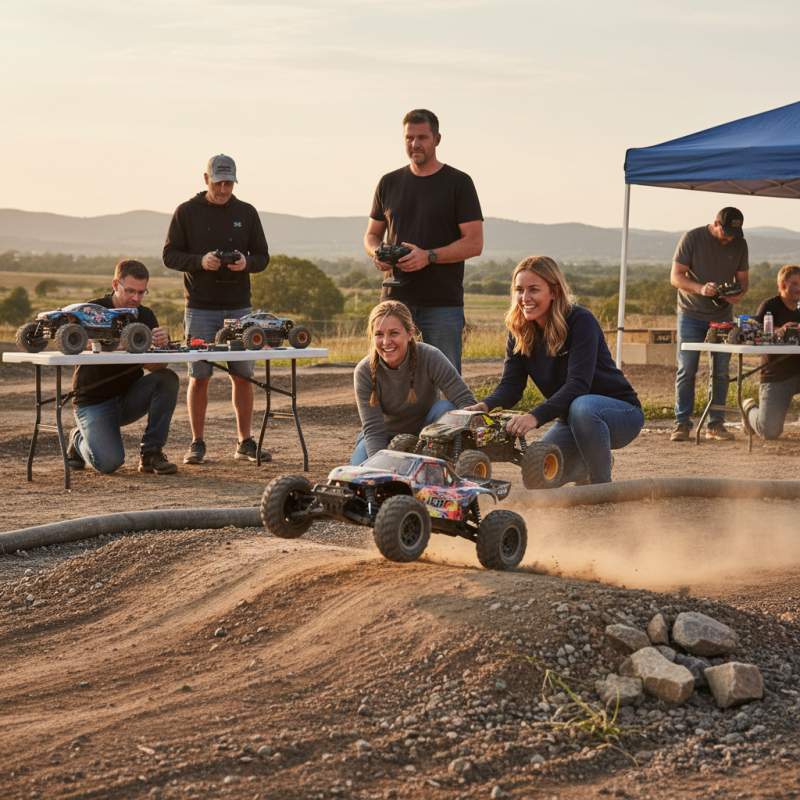
The Rise of Rc Cars: Exploring Adult Enthusiasm
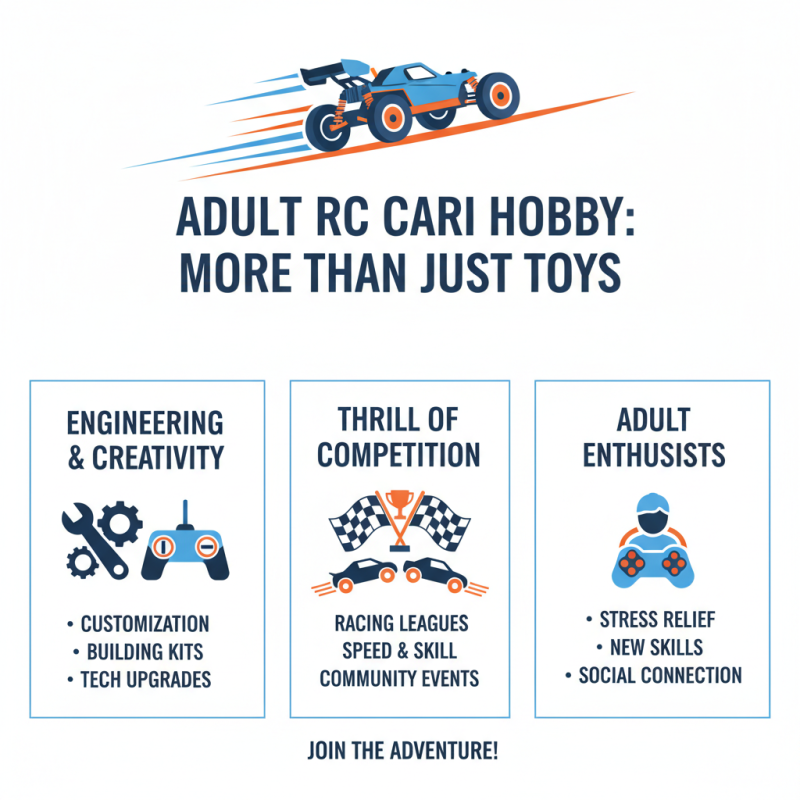
The rise of RC cars among adults is captivating. Many enthusiasts find joy in these miniature vehicles. They are not just toys; they are a blend of engineering and creativity. Adult hobbyists enjoy customizing and racing these cars. The thrill of competition ignites excitement.
Many adults are drawn to RC cars for stress relief. It offers an escape from daily pressures. Controlling the car, speeding down a track, creates a sense of freedom. For some, it’s about nostalgia, revisiting childhood passions.
Tips: Start small. Choose a beginner-friendly model. Understand the basics of control before racing. Join local clubs for camaraderie. Test different terrains to discover your favorite sites. Don't rush into advanced modifications; they can be overwhelming. Enjoy the learning process, even if mistakes happen. The journey is as important as the result.
Factors Contributing to Adult Engagement with Rc Cars
The rise in popularity of RC cars among adults is notable. Many factors contribute to this trend. One key element is the nostalgia factor. Many adults grew up playing with RC cars. Now, they want to relive those childhood experiences.
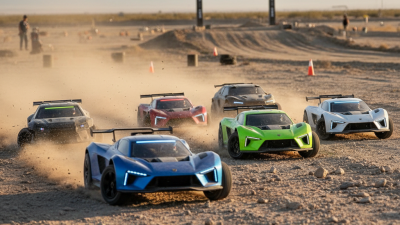
Another important reason is the thrill of racing. Adult enthusiasts enjoy the competitive atmosphere of racing events. Some even build custom cars for added excitement. The engineering aspect appeals to this audience. They engage in modifying, tuning, and improving their vehicles. However, the complex nature of some modifications can be frustrating. It requires patience and sometimes leads to failures.
The social aspect cannot be overlooked. Many adults connect through local clubs and online communities. These groups foster friendships and collaborative projects. However, it can become overwhelming. The pressure to keep up can detract from the enjoyment. Balancing passion and competition is essential. It’s a learning journey, filled with successes and setbacks.
Technological Advancements Enhancing Rc Car Experience
The rise of remote-controlled cars for adults can be largely attributed to technological advancements. The RC car industry has seen significant growth. According to a market report, the global RC vehicle market is expected to reach $1.5 billion by 2025. This figure reflects the increasing interest among adults. Enhanced features play a crucial role in this trend.
Modern RC cars come with sophisticated technology. Brushless motors, advanced batteries, and customizable parts are now standard. These improvements allow for better speed and handling. One report showed that over 70% of users appreciate faster charging times. However, some users still struggle with the complexity of setup and maintenance. Many find high-end models challenging.
Moreover, the integration of smart technology has changed the game. Features like smartphone connectivity make it easier to control cars. A recent survey indicated that 65% of users value real-time telemetry data. Yet, this technology can be daunting for newcomers. There’s a learning curve that may discourage some potential enthusiasts. Balancing innovation with user-friendliness is essential for future growth.
Why Are Rc Cars For Adults Increasing In Popularity?
The following chart illustrates the growing interest in RC cars among adults over the past few years, influenced by various technological advancements, such as improved battery life, enhanced speed, and realism in design.
Community and Social Aspects of Adult Rc Car Culture
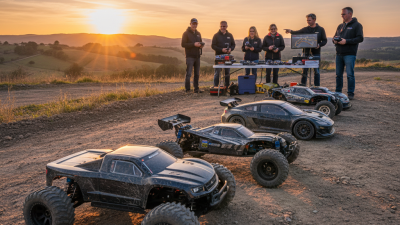
The rise in popularity of RC cars among adults is largely driven by community engagement. Enthusiasts gather in local parks and tracks, sharing tips and showcasing their custom builds. This interaction creates bonds among different skill levels. Beginners receive guidance, while veterans enjoy mentoring, resulting in a vibrant community.
However, not every gathering is smooth. Conflicts can arise over racing rules or track conditions. Some participants feel overlooked or undervalued, especially newer members. These moments prompt reflection within the community. How can inclusivity be improved? These discussions lead to stronger connections and a healthier culture.
Social media plays a significant role as well. Online forums and groups foster discussions and events. The sharing of videos and photos helps inspire creativity. However, there’s a downside. The pressure to showcase perfection can be overwhelming. It’s important to remember that fun is the goal, not comparison. Embracing imperfection makes the journey enjoyable for everyone involved.
Why Are Rc Cars For Adults Increasing In Popularity? - Community and Social Aspects of Adult Rc Car Culture
| Aspect |
Description |
Impact on Popularity |
| Community Events |
Local races and meetups among hobbyists |
Encourages social interactions and builds a sense of belonging |
| Online Forums |
Platforms for sharing tips, tricks, and modifications |
Facilitates knowledge sharing and community engagement |
| Customization |
Ability to modify and personalize cars |
Enhances creativity and individual expression |
| Nostalgia |
Connection to childhood hobbies and memories |
Brings emotional attachment, driving interest |
| Technological Advances |
Improved performance and features in RC cars |
Attracts tech enthusiasts and boosts excitement |
| Competitive Scene |
Tournaments and competitive racing |
Creates a platform for skill demonstration and rivalry |
Comparative Analysis: Rc Cars vs. Traditional Hobbies for Adults
RC cars are capturing adult interest rapidly. In 2021, the market for RC vehicles grew by 15% compared to previous years. This surge is notable when comparing it to traditional hobbies like model building or slot cars, which have stagnated. Many adults are seeking alternatives to typical pastimes, and RC cars provide a dynamic experience.
Unlike static models, RC cars offer an interactive thrill. Participants can control speed, maneuverability, and course layout. The adrenaline rush can be addictive. Reports show that nearly 30% of adults engaged in hobbies find enjoyment in competitive environments. Additionally, 45% appreciate the social aspect of racing events. This community-building feature is less prominent in traditional hobbies.
However, not everyone finds the transition easy. Beginners often face a learning curve, which can be frustrating. The initial investment in high-quality cars may deter some. Nevertheless, many find the experience rewarding despite these challenges. The diverse range of RC vehicles allows for personalization and creativity, something that static hobbies often lack. This blend of thrill and community keeps adults returning to the RC car scene, no matter the hurdles.