What Are Rc Toys and How Do They Work?
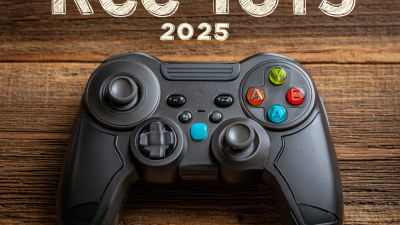
Remote control toys, commonly known as RC toys, have captivated enthusiasts of all ages. These toys range from cars and helicopters to drones and boats. The appeal lies in their ability to be manipulated from a distance. RC toys provide an exhilarating experience that brings joy and excitement.
Understanding how RC toys work can be fascinating. They typically use radio signals to communicate between the remote and the toy. This connection allows for quick responses and precise movements. Batteries power both the toy and the controller, adding to the fun. However, not all RC toys function perfectly. Sometimes, they can be challenging to operate. Adjustments might be needed to enhance performance.
The history of RC toys is rich and varied. They have evolved significantly from their early designs. Today, modern versions are equipped with advanced technology. Yet, there are still simple models that remind us of their origins. Each toy offers a unique experience, deserving reflection and discussion.
Definition and Overview of RC Toys: Types and Categories
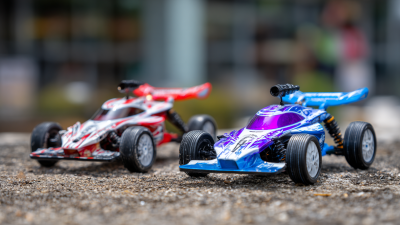
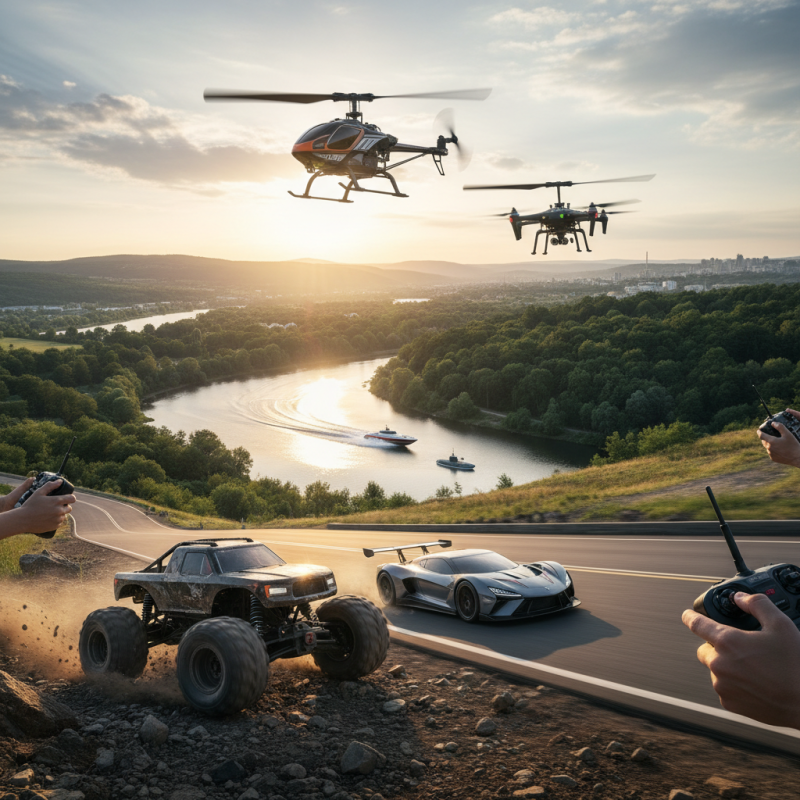
RC toys, or remote control toys, are miniature devices operated via a remote control. They encompass various types, including cars, boats, and drones. Each category serves different interests and skills. For instance, RC cars are popular for racing and stunts. These vehicles often feature advanced controls, allowing users to navigate obstacles with ease. The thrill of speed can be mesmerizing, yet it also demands focus and patience.
Boats and helicopters represent another category. RC boats glide across water with precision, making them appealing for outdoor play. Drones bring a unique perspective to RC toys. They often include cameras for aerial photography. However, operating drones requires practice. Navigating airspace can be tricky, especially for beginners. Mistakes can lead to crashes or loss of control, prompting users to learn from their experiences.
Each type of RC toy comes with its own challenges. Some may find it difficult to maintain control or manage battery life. Adjusting to different terrains also can be a hurdle. Sometimes, the excitement of speed overshadows the need for safety. Experimentation is key to mastering RC toys. The journey is full of mini triumphs and setbacks, making it both frustrating and exhilarating.
History of RC Toys: Evolution and Milestones in the Industry
RC toys have a rich history that traces back to the early 1960s. The first standardized radio-controlled cars were made in Italy. It was a pioneering step in making remote-controlled devices more accessible. Over the years, the industry witnessed significant milestones. In the 1980s, advancements in technology led to the introduction of electric RC cars, making them easier to use and more affordable.
According to a recent industry report, the global market for RC toys was valued at approximately $2 billion in 2022 and is expected to grow steadily. This growth is driven by technological advancements and increased consumer interest. Parents and children alike flock to hobby shops and online stores to explore their options. The thrill of controlling a miniature vehicle is captivating for many.
Tips: When choosing an RC toy, consider the age suitability. Some models are designed for beginners, while others cater to experienced users. Additionally, maintenance is crucial. Check the battery and components regularly. Remember, not all RC toys are durable. Some may break easily, leading to frustration. Pay attention to user reviews before purchasing.
What Are Rc Toys and How Do They Work? - History of RC Toys: Evolution and Milestones in the Industry
| Year |
Milestone |
Technology |
Type of RC Toy |
| 1960s |
Introduction of the first RC models |
Basic analog control |
Cars and boats |
| 1970s |
Refinement of frequency control |
2-channel systems |
Planes and helicopters |
| 1980s |
Introduction of digital proportional control |
Digital servos |
Advanced cars and tanks |
| 1990s |
Release of 27MHz and 40MHz frequencies |
Enhanced control range |
Diverse models including boats and drones |
| 2000s |
Rise of 2.4GHz technology |
Reduced interference |
Cars, trucks, and quadcopters |
| 2010s |
Integration of smartphones in control |
Bluetooth and Wi-Fi control |
Smart drones and robots |
| 2020s |
Rise of autonomous RC toys |
AI integration |
Self-driving cars and advanced drones |
Components of RC Toys: Key Parts and Their Functions
RC toys, or remote-controlled toys, are fascinating gadgets that have gained popularity over the years. Understanding their key components brings clarity to how these toys operate.
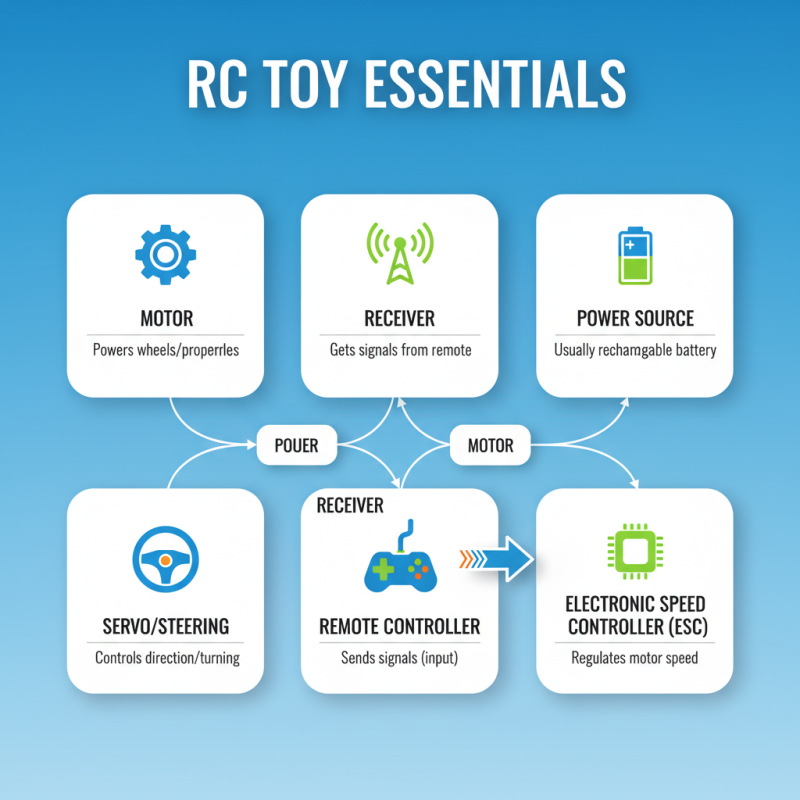
The main parts of RC toys include the transmitter and the receiver. The transmitter is the handheld device that sends signals. When you push a button, it emits radio waves. The receiver, located within the toy, captures these signals. It translates them into actions like movement or turns. If the receiver is faulty or has limited range, the toy won't work properly.
Another vital component is the motor. It powers the motion of the toy, whether it’s a car, plane, or boat. Without a reliable motor, the toy becomes lifeless. Batteries also play a crucial role. They provide the energy that fuels the toy's operations. If the batteries are low, you might notice sluggish performance. This can be frustrating, but it serves as a reminder to check power levels regularly and ensure continuous fun.
How RC Toys Operate: The Mechanics Behind Control Systems
RC toys are fascinating gadgets enjoyed by people of all ages. Their mechanics can seem complex but are based on straightforward principles. At the core of RC toys is a transmitter and a receiver. The transmitter sends radio signals to the receiver in the toy, which interprets them to control movement and functions. This interaction enables seamless navigation, transforming signals into action.
In terms of energy efficiency, recent reports indicate that advanced models can achieve a range of over 50 meters. However, the battery life can be a concern. A significant number of users report that their toys run out of power too quickly. This requires users to carefully manage usage for optimal performance. Checking battery status before playtime can enhance the experience.
Tips: Regular maintenance enhances performance. Clean the wheels and connections to prevent dirt from affecting movement. Ensure the antennae are straight for better signal reception. Remember, a toy's complexity does not always translate to better fun. Finding a balance in performance and playtime is vital for an enjoyable experience.
RC Toys Operating Frequency and Control Range
The Market Trends in RC Toys: Popularity and Consumer Insights
The RC toys market has seen a significant surge in recent years. According to a report by Grand View Research, the global market size was valued at approximately $20 billion in 2021. This figure is projected to grow at a compound annual growth rate (CAGR) of around 10% from 2022 to 2028. Such growth reflects a growing consumer interest in innovative and high-tech hobbies.
Consumer insights reveal that children aged 6 to 12 are the key demographic for these products. However, adults are increasingly engaging as well. A survey by Statista indicated that nearly 40% of RC toy buyers are adults. This suggests a shift in the market dynamics, where hobbyists seek more sophisticated models. Yet, challenges remain. Many consumers express frustration with the complexity of some products. As technology advances, the learning curve can appear steep for newcomers.
Sustainability is another concern. Many RC toys are made from non-recyclable materials. Consequently, eco-conscious consumers often hesitate to make purchases. Industry experts urge manufacturers to improve product designs and materials. Balancing innovation and environmental responsibility is essential for future growth and sustainability.