Why Choose a Remote Control Toy Car for Fun and Learning?
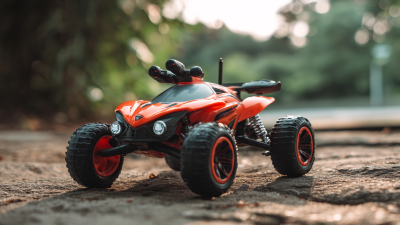
The excitement of a Remote Control Toy Car captures the imagination of both children and adults. These cars offer endless fun and learning opportunities. Racing through the living room, they become more than just toys; they spark creativity and problem-solving skills.
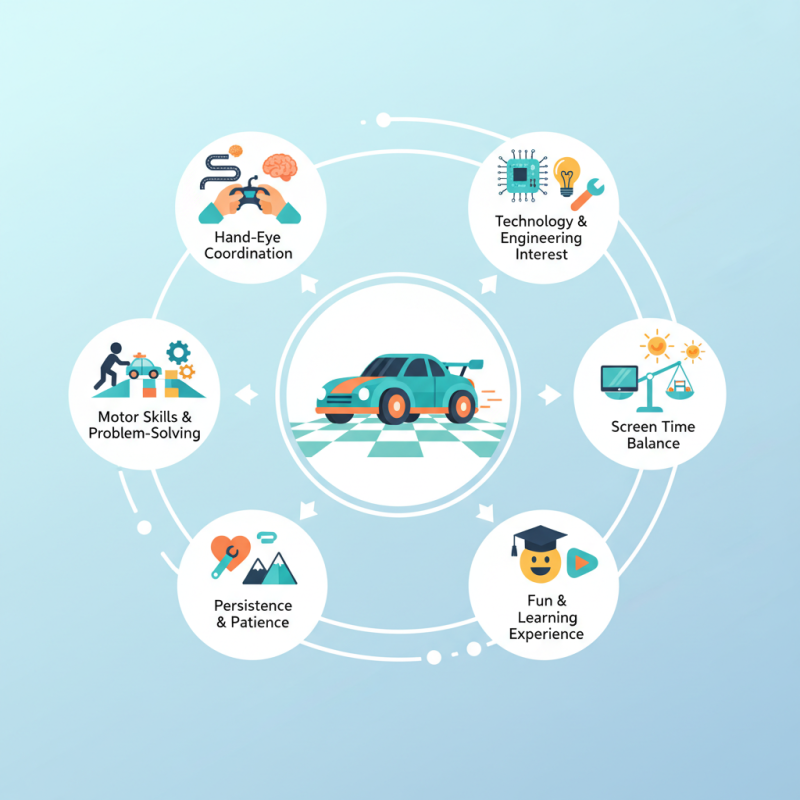
Engaging with a Remote Control Toy Car can enhance hand-eye coordination. Kids learn to navigate obstacles, developing motor skills in the process. However, challenges arise too. Some may struggle with control, leading to frustration. But in these moments, important lessons about persistence and patience emerge.
Additionally, these toys can ignite an interest in technology and engineering. Children can explore how remote control systems work, gaining basic insights into mechanics. While the fun is undeniable, it’s vital to reflect on balance. Too much screen time can detract from outdoor play. Choosing the right moments to engage is key. Overall, a Remote Control Toy Car blends enjoyment with valuable learning experiences.
Benefits of Remote Control Toy Cars for Children’s Development
Remote control toy cars offer unique learning opportunities for children. These toys are not just fun; they also aid in development. As children navigate their cars, they enhance their hand-eye coordination. This skill is essential as it supports various activities, from writing to sports. The excitement of controlling a car can motivate them to engage more actively.
Playing with remote control cars fosters problem-solving abilities. Kids learn to troubleshoot when their car encounters obstacles. They might scratch their heads, thinking of ways to overcome a hurdle. This fosters creativity as they devise solutions to keep their car running smoothly. Additionally, children often experience frustration when things don't go as planned. Learning to manage these feelings is crucial for emotional development.
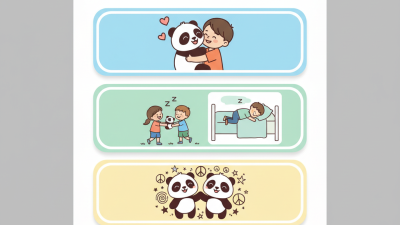
Friendship can also grow through these toys. A child might invite a friend over for a fun racing session. They learn teamwork, sharing, and communication as they race their cars together. However, competition can sometimes lead to arguments or tears. Navigating these social dynamics is part of their growth. Through these experiences, children become more resilient and aware of their peers' feelings.
Enhancing Motor Skills through Remote Control Play
Remote control toy cars are more than just fun. They play an important role in developing motor skills. As children maneuver these cars, they enhance their hand-eye coordination. Steering the car requires focus and precision, engaging both their fine and gross motor skills.
Playing with remote control cars can spark creativity. Kids often create obstacle courses. They might experiment with speed, turning angles, and distances. This not only makes playtime enjoyable but also promotes problem-solving abilities. However, frustration may arise when cars get stuck or collide. These moments of challenge teach persistence.
The joy of remote control play can sometimes lead to overexcitement. Kids might ignore safety rules, risking damage or injury. Encouraging them to be mindful and reflective during play is essential. Overall, remote control toy cars offer a unique blend of fun and learning, fostering growth in various skills.
Encouraging Problem-Solving and Critical Thinking with Toy Cars
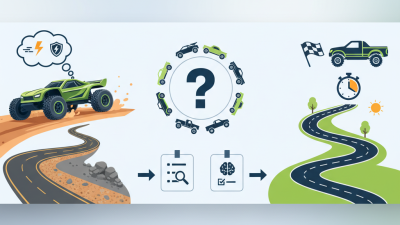
Remote control toy cars are more than just fun. They act as tools for developing problem-solving skills. As children navigate their cars, they encounter obstacles. They must think creatively to move around or over these obstacles. Each challenge encourages critical thinking.
Playing with these cars can also lead to trial and error. Kids might crash their cars while experimenting with speed and direction. Each mistake offers a lesson. They learn how to fix their approach and improve their strategies. This process builds resilience. It's okay to fail; learning comes from trying again.
Additionally, remote control cars can spur social interactions. Children may team up to build tracks or race against each other. Discussions about strategies will lead to collaborative thinking. It's important to reflect on these interactions. What worked? What didn’t? These moments become opportunities for growth. Through play, kids not only find joy but also essential life skills.
The Role of Remote Control Cars in Promoting Social Interaction
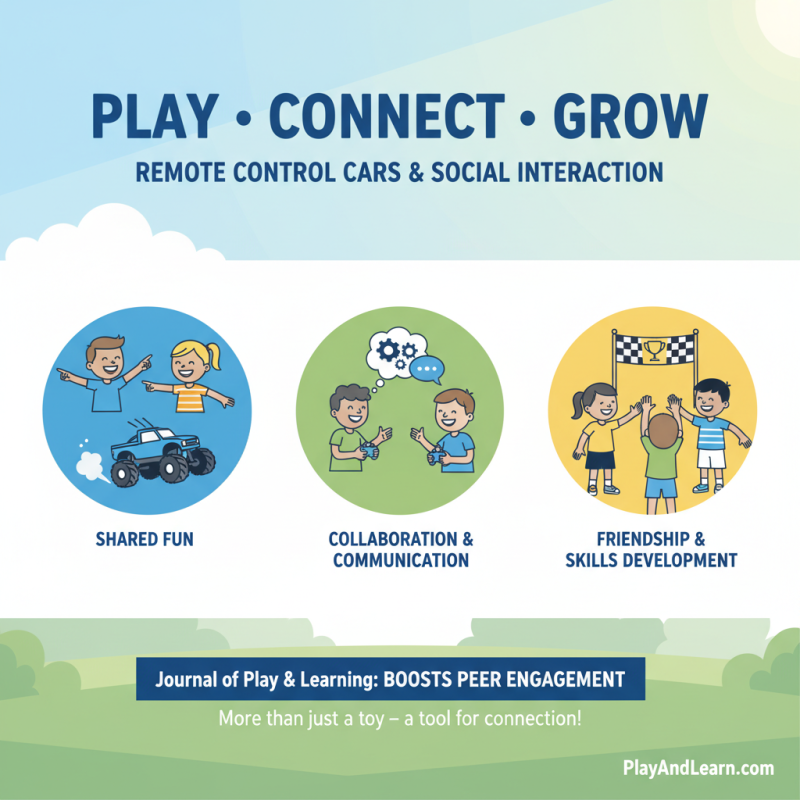
Remote control toy cars offer more than just entertainment. They serve as tools for social interaction, especially among children. A study from the Journal of Play and Learning noted that children often engage more with peers when playing with remote-controlled toys. They share, negotiate, and collaborate on play strategies, which enhance communication skills.
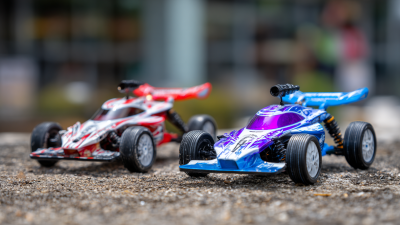
When friends gather to race cars, laughter and encouragement fill the air. This dynamic not only fosters friendships but also builds a sense of community. Young players learn valuable social skills. They must take turns, solve conflicts, and celebrate each other's successes. These moments create lasting bonds and essential life skills. However, it’s essential to monitor playtime. Overly competitive environments may lead to frustration.
Tips: Encourage cooperative play. Set up challenges where teamwork is necessary. This way, players must work together to achieve a common goal.
Another point to consider is that not all children might immediately warm up to sharing their toys. Some may find it hard to give up control. Reflecting on this can help parents introduce remote-control cars in a way that promotes sharing and collaboration. Remind children that fun multiplies when enjoyed together.
Exploring Technology and Creativity through Remote Control Vehicles
Remote control toy cars offer a unique opportunity to merge technology with creativity. These vehicles engage children in hands-on learning experiences. When they manipulate the car, they begin to understand basic principles of physics like motion and force. The excitement of steering a car enhances motor skills and hand-eye coordination. Watching the car respond to their commands can spark curiosity about how things work.
Kids design tracks and obstacles, fostering creativity. This process involves planning, problem-solving, and trial-and-error. Building a challenging course can lead to frustrations, but overcoming these hurdles teaches resilience. Each failed attempt with a toy car encourages critical thinking. Children reflect on what went wrong and adjust strategies. This adaptive learning is crucial and can be applied in other areas of life as well.
Moreover, remote control toy cars can inspire teamwork. Friends can collaborate on racing challenges or build expansive tracks together. This interaction promotes social skills and communication. However, sometimes they may face conflicts over rules or strategies. These disagreements present teachable moments for negotiation and compromise, further enriching their experience. Embracing these imperfections leads to growth, both individually and collectively.