Top 10 Tips for Choosing the Best RC Airplane Kits for Beginners
The world of remote-controlled (RC) airplanes has seen remarkable growth over the past decade, captivating both hobbyists and newcomers alike. According to the latest industry reports, the global RC hobby market is projected to reach over $5 billion by 2026, with RC airplane kits accounting for a significant portion of this expansion. For beginners, navigating the plethora of RC airplane kits available can be daunting, yet understanding key factors can greatly enhance the experience and ultimately lead to greater enjoyment and success in the hobby.
Choosing the right RC airplane kit is crucial for those just starting out, as it can influence the learning curve and retention of interest. Beginner-friendly kits are designed with ease of assembly, durability, and flying performance in mind. Insights from surveys conducted within the community suggest that nearly 60% of new pilots express the desire for kits that offer straightforward assembly coupled with comprehensive instructional guides. Additionally, engaging in this hobby promotes skills such as hand-eye coordination and problem-solving, contributing to its rising popularity among diverse demographic groups. As we delve into the top tips for selecting the best RC airplane kits for beginners, we aim to equip aspiring pilots with the knowledge necessary to make informed decisions in this exciting field.
Understanding the Basics of RC Airplane Kits for Beginners
When embarking on the journey of remote-controlled (RC) aviation, understanding the basics of RC airplane kits is essential for beginners. These kits typically come in three main types: ready-to-fly (RTF), almost-ready-to-fly (ARF), and build-it-yourself (KIT). According to the Academy of Model Aeronautics, nearly 60% of new pilots opt for RTF kits due to their convenience and ease of use, allowing novices to start flying with minimal setup. Additionally, RTF kits usually include all necessary components—such as the transmitter, receiver, and battery—packaged together, making them an excellent choice for those new to the hobby.
Furthermore, the choice of materials plays a significant role in the performance and durability of the RC aircraft. Common materials include foam, balsa wood, and composite materials. Research indicates that foam models account for approximately 70% of beginner kits due to their lightweight and durable characteristics, which enhance flight stability for learners. Beginners should also pay attention to the wingspan and weight of the airplane, as these factors directly influence flight dynamics and ease of control. By familiarizing themselves with these fundamentals, novice pilots can make informed decisions and select the right kit to kickstart their experience in RC aviation.
Top 10 Tips for Choosing the Best RC Airplane Kits for Beginners
| Tip |
Description |
Skill Level |
Cost Range |
| Consider Your Experience |
Choose a kit that matches your skill level. |
Beginner |
$100-$200 |
| Material Quality |
Look for durable and lightweight materials. |
Beginner |
$150-$300 |
| Battery Life |
Select models with decent flight time. |
Beginner |
$100-$250 |
| Size Matters |
Choose the right size for your flying environment. |
Beginner |
$50-$300 |
| Ease of Assembly |
Select kits that are easy for beginners to assemble. |
Beginner |
$100-$250 |
| Flight Stability |
Opt for models known for good stability in flight. |
Beginner |
$100-$200 |
| Support and Resources |
Check for available tutorials and community support. |
All levels |
$50-$300 |
| Warranty and Return Policy |
Understand the warranty and return options before buying. |
All levels |
$50-$300 |
| Safety Features |
Look for kits with safety features for beginners. |
Beginner |
$100-$250 |
Key Features to Look for in Beginner-Friendly RC Airplane Kits
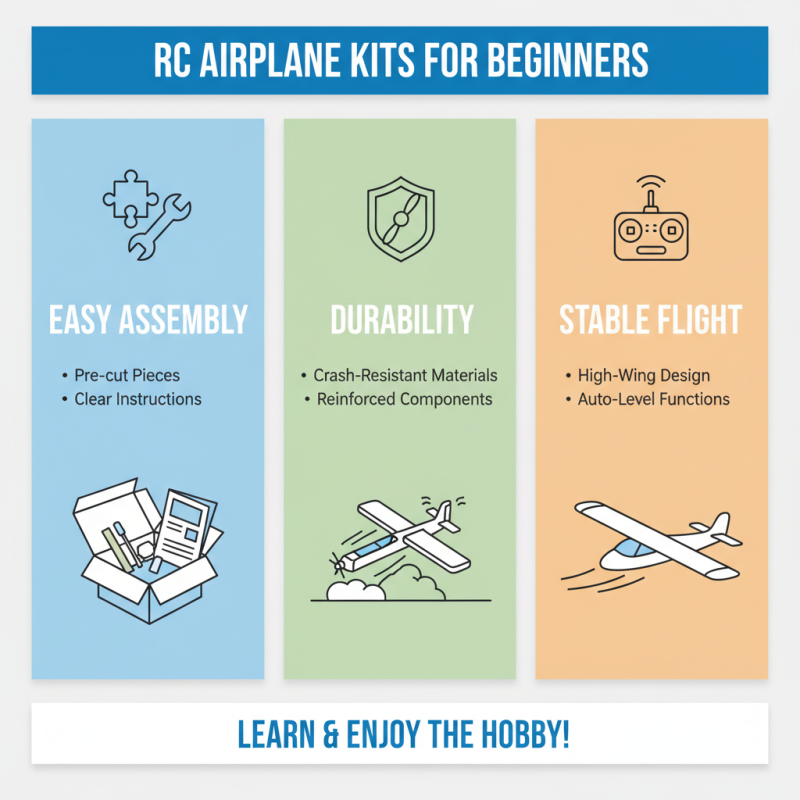
When choosing the best RC airplane kits for beginners, it's crucial to focus on key features that will enhance the learning experience and ensure a smooth introduction to the hobby. Firstly, look for kits that are easy to assemble. A straightforward assembly process not only saves time but also allows beginners to understand the basic mechanics of airplanes, fostering a deeper appreciation for the craft. Beginner-friendly kits often come with pre-cut pieces and clear instructions, minimizing frustration and maximizing enjoyment.
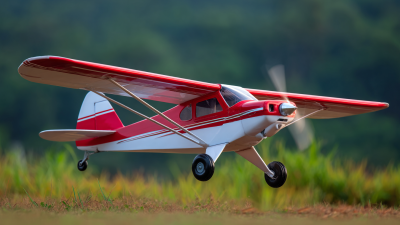
Another important feature is the stability of the aircraft. Kits designed for beginners typically include features such as a high wing placement and dihedral angle, which help maintain stability during flight. This is particularly beneficial for novice pilots who are still mastering the controls. Additionally, opting for airplanes with durable materials can significantly enhance the longevity of your model, reducing the impact of inevitable beginner crashes. Ultimately, paying attention to these characteristics—easy assembly, stability, and durability—will ensure that newcomers to RC flying have a positive and enjoyable experience as they take to the skies.
Evaluating Build Materials and Durability in RC Airplanes
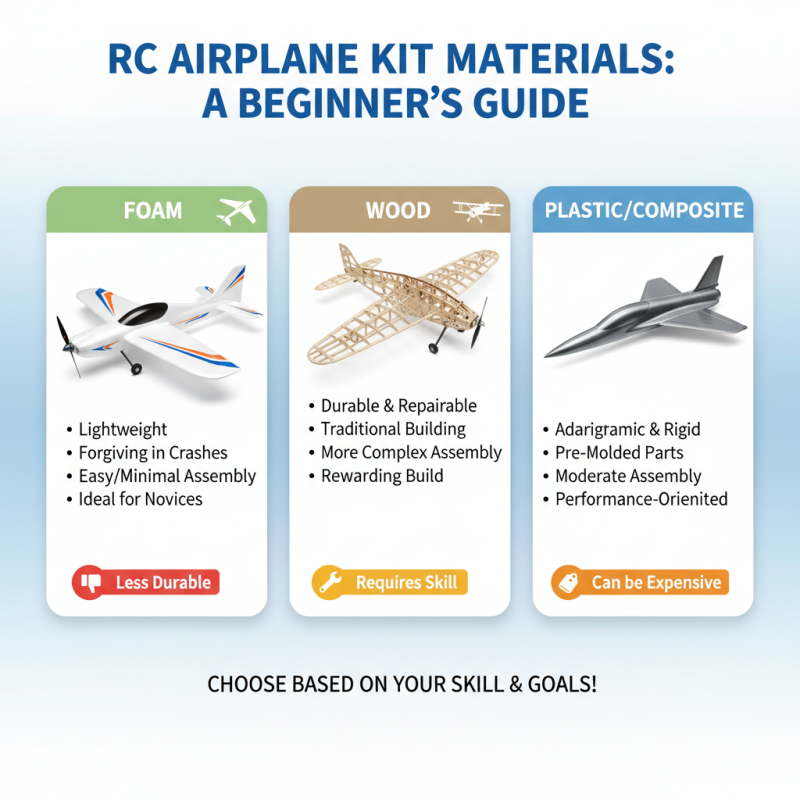
When selecting an RC airplane kit, evaluating the build materials and durability is crucial, especially for beginners who may not have prior experience. The most common materials used in constructing these planes include foam, wood, and plastic. Foam kits, for instance, are lightweight and tend to be more forgiving in crashes, making them an ideal choice for novice pilots. They often come pre-assembled or require minimal construction, allowing beginners to focus on flying rather than complex assembly. However, one downside is that foam can be less durable over time compared to wood or composite materials.
Wooden kits, on the other hand, offer a sturdier build, making them more resilient to wear and tear. They often provide a more traditional flying experience and can withstand higher speeds. However, working with wood requires a certain level of craftsmanship, as they typically involve more intricate assembly processes. Beginners should assess their confidence in building skills and consider whether they are ready for the challenge that wood construction presents. Additionally, checking for features like reinforced joints and weather-resistant coatings can help ensure longevity and reliability, which are essential factors for any aspiring RC pilot.
Assessing Flight Performance and Stability for New Pilots
When choosing the best RC airplane kits for beginners, assessing flight performance and stability is crucial for new pilots to ensure a positive flying experience. According to a report from the Academy of Model Aeronautics, approximately 70% of new pilots cite stability as a primary factor in their choice of aircraft. This underscores the importance of selecting models that are designed with features that enhance stability, such as a high wing placement and a larger wingspan.
Such configurations not only provide better lift but also aid in forgiving flight characteristics, enabling beginners to regain control more easily in turbulent conditions.
Moreover, flight performance metrics such as glide ratio and stall speed are vital indicators of how well an RC airplane will handle in various flying environments. Research indicates that a higher glide ratio can significantly improve a beginner's ability to execute long flights without engine assistance, reducing anxiety during their initial flying sessions. New pilots should look for kits that offer configuration options to adjust weight distribution, which can also enhance stability during takeoff and landing.
Choosing airplanes with slower stall speeds allows for safer approaches, as these aircraft can handle a wider range of angles without losing lift, making them ideal for novice aviators honing their skills.
Budget Considerations: Finding Affordable RC Airplane Kits for Starters
When starting your journey into the world of RC airplanes, budget considerations play a crucial role in choosing the right kit. Many beginners often assume that high-quality models come with a hefty price tag, but there are affordable options available that do not compromise on quality or performance. Look for kits that offer essential components without unnecessary extras that can inflate costs. It's wise to set a price range before shopping, which helps to narrow down choices and avoids overspending on features that may not be needed for beginners.
In addition to the initial purchase price, consider the ongoing costs associated with flying RC airplanes. This includes replacement parts, batteries, and maintenance tools, which can add up over time. Some kits come with everything you need to start flying, which can save you money in the long run. Opt for beginner-friendly models that are durable and easy to repair, as this will reduce the need for frequent replacements. By carefully evaluating both the upfront and ongoing expenses, you can find a budget-friendly RC airplane kit that helps you enjoy your new hobby without breaking the bank.
Budget Considerations for RC Airplane Kits for Beginners