Leave Your Message

Top 10 Remote Control Toy Cars for Wholesale Buyers?

Choosing the right Remote Control Toy Car for wholesale distribution requires more than attractive photos and a low unit price. Buyers must examine performance, durability, packaging, and supplier consistency before placing a large order. A model that looks exciting online may arrive with weak steering, fragile wheels, or batteries that disappoint children within days.

This guide presents ten practical options for wholesale buyers, based on features that matter in real purchasing situations. These include control range, charging time, driving surfaces, body materials, replacement parts, and retail-ready packaging. A car tested on smooth showroom floors may perform differently on carpet, concrete, or uneven outdoor paths. Small details matter.

Experience exposes weaknesses.

Each selection should be reviewed through product samples, supplier communication, and available testing information. Buyers should also confirm age guidance, battery specifications, carton dimensions, minimum order quantities, and local product-safety requirements. Reliable suppliers explain these details clearly and provide consistent pre-shipment support. However, no ranking is perfect. Market preferences change, and a popular racing car may not suit every region or customer group.

Some buyers prioritize speed. Others need sturdy construction, simple controls, or colorful designs for younger users. The following overview balances commercial appeal with practical risk management. It does not promise that every model will succeed equally in every market. Instead, it offers a clearer starting point for comparing wholesale products, calculating landed costs, and choosing toys that can perform reliably after they leave the warehouse.
Top 10 Remote Control Toy Cars for Wholesale Buyers?

Wholesale Market Basics for Remote Control Toy Cars

Top 10 Remote Control Toy Cars for Wholesale Buyers?

Wholesale Market Basics for Remote Control Toy Cars

Wholesale buyers should treat the top ten list as a testing plan, not a popularity contest. Circana reported that the U.S. toy market reached about $28.6 billion in 2023, despite a slight annual decline. This suggests cautious purchasing. Buyers need reliable products, not crowded cartons.

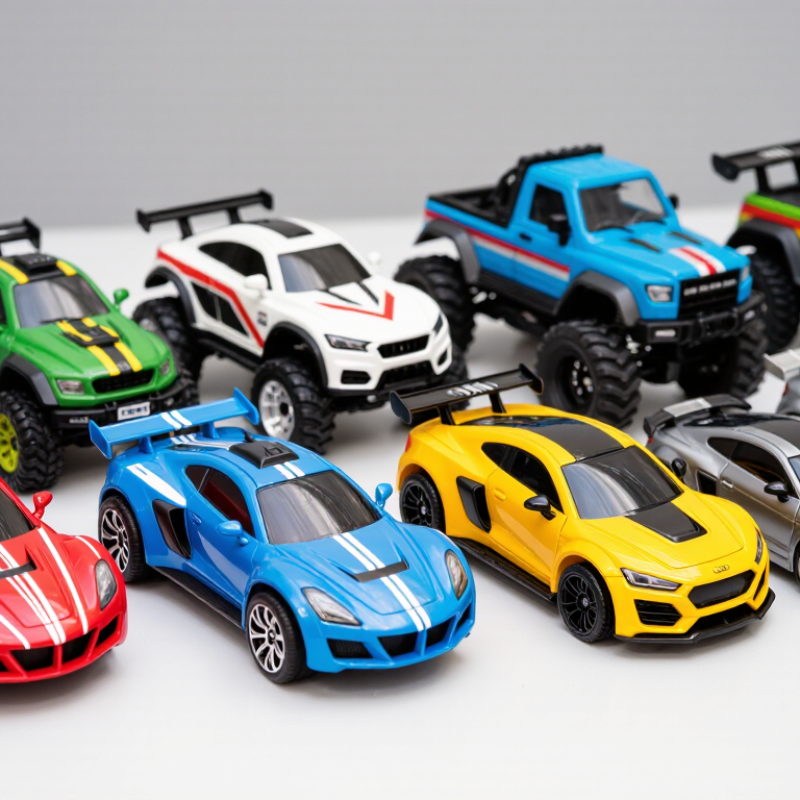
Start with ten different models. Include drift cars, off-road vehicles, mini racers, and simple entry-level designs. Check steering response, controller range, battery duration, charging time, and replacement-part availability. A car that runs for only eight minutes may create disappointing reviews. Test it on tile, carpet, and rough concrete. Small details matter.

Grand View Research expects the global toys and games market to expand steadily through 2030, supported partly by online retail. For wholesalers, packaging becomes part of the product. Use strong cartons, clear age guidance, and accurate battery information. Confirm applicable toy-safety and battery-shipping requirements in each destination market. Do not rely only on supplier statements.

Ask for sample units from every shortlisted model. Keep a test record.

Review return rates after the first shipment. A low unit price can hide weak motors, loose wheels, or confusing controls. I have seen buyers overvalue bright packaging and underestimate repair demands. That judgment deserves another look. Reliable margins usually come from balanced specifications, stable quality, and realistic order quantities.

Top 10 Remote Control Toy Cars for Wholesale Buyers? - Wholesale Market Basics for Remote Control Toy Cars

Rank Generic Toy Car Type Drive System Recommended Age Scale / Size Typical Speed Operating Time Charging Time Control Range Typical Wholesale Price* Common MOQ
1 1:18 Stunt Car Two-sided / 360° 6+ 1:18; 24–28 cm 10–15 km/h 15–20 min 120–180 min 25–40 m US$8–14 48–96 units
2 4WD Off-Road Truck Four-wheel drive 8+ 1:16; 28–34 cm 15–20 km/h 18–25 min 150–210 min 30–50 m US$13–22 36–72 units
3 High-Speed Racing Car Rear-wheel drive 8+ 1:14; 30–36 cm 20–30 km/h 12–18 min 180–240 min 40–60 m US$16–28 24–60 units
4 Construction Dump Truck Two-wheel drive 3+ 1:16; 25–32 cm 3–6 km/h 20–30 min 120–180 min 15–25 m US$9–16 48–96 units
5 Police-Style Pursuit Car Two-wheel drive 6+ 1:18; 23–28 cm 8–12 km/h 15–20 min 120–180 min 25–40 m US$8–15 48–96 units
6 Amphibious Remote-Control Car Sealed 4WD 8+ 1:16; 27–33 cm 8–12 km/h 15–20 min 150–210 min 25–40 m US$15–26 36–72 units
7 Rock Crawler 4WD with low gearing 8+ 1:12; 35–42 cm 6–10 km/h 20–30 min 180–240 min 30–50 m US$22–38 24–48 units
8 Remote-Control Formula Car Rear-wheel drive 6+ 1:18; 22–27 cm 10–16 km/h 15–22 min 120–180 min 25–40 m US$7–13 48–120 units
9 Drift Car with LED Lights Rear-wheel drive 8+ 1:16; 26–32 cm 12–18 km/h 12–18 min 150–210 min 30–50 m US$14–24 36–72 units
10 Mini Indoor RC Car Two-wheel drive 3+ 1:24; 16–21 cm 5–8 km/h 15–25 min 90–150 min 10–20 m US$5–10 72–144 units

*Wholesale prices are typical indicative ranges in US dollars for standard unbranded products and may vary according to materials, packaging, battery configuration, certifications, customization, order quantity, and shipping terms. Operating specifications are representative market ranges rather than guaranteed performance figures.

Key Types and Features in the Top 10 Toy Car Categories

Wholesale buyers should compare remote-control cars by play pattern, not appearance alone. Circana reported that U.S. toy sales declined 8% in 2023, reaching $28.6 billion. That pressure makes durable, repeat-use categories especially important.

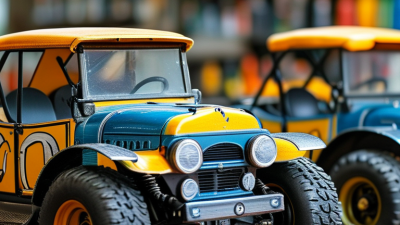
The ten strongest categories include drift cars, stunt cars, rock crawlers, off-road trucks, racing cars, construction vehicles, emergency vehicles, amphibious cars, transforming cars, and mini collectible racers. Drift models need smooth tires and adjustable steering. Stunt cars require protected axles, balanced weight, and impact-resistant shells. Rock crawlers sell through large tires, low-speed torque, and climbing angles. Off-road trucks need suspension travel and textured wheels. Racing cars depend on stable control and rechargeable power.

Construction and emergency designs benefit from lights, sounds, and movable parts, but excess electronics can increase return rates. Amphibious cars need sealed battery compartments and clear drying instructions. Transforming cars create strong visual appeal, yet their hinges may become weak points. Mini racers save shelf space. They can also feel less impressive in a large retail display.

Grand View Research identifies rising demand for remote-control toys through interactive play and improved wireless technology. Buyers should still verify control range, charging time, spare-part availability, and packaging drop resistance. Testing ten units from each production batch is practical, though not perfect. Battery claims deserve extra scrutiny. A few models may perform differently after repeated impacts. Product testing, age grading, and material documentation should follow the destination market’s requirements.

How to Compare Quality, Safety, and Wholesale Pricing

Top 10 Remote Control Toy Cars for Wholesale Buyers

How to Compare Quality, Safety, and Wholesale Pricing

When reviewing the top ten remote control toy cars, inspect more than appearance. Check the shell thickness, wheel alignment, steering response, and gearbox noise. A sturdy ABS body should survive repeated table-height drops during sample testing. In my wholesale evaluations, battery performance often separates attractive samples from reliable products. Test charging time, operating duration, and heat around the battery compartment. Small details matter.

Safety documents should match the exact model, battery, and charger included in each shipment. Ask for test reports, age-grading information, material declarations, and production inspection records. Examine the remote control for secure battery doors and smooth controls. Check for loose parts, sharp edges, exposed wires, and easily removed decorative pieces. Test ten samples, not just one. One perfect sample proves little.

Wholesale pricing requires a landed-cost comparison. Include packaging, spare parts, shipping volume, import charges, and expected defect rates. A cheaper unit may become expensive after returns and replacements. Request a clear warranty policy and a replacement-part list. I once focused too heavily on unit price and underestimated damaged packaging. That mistake still affects margin calculations. Buyers should also compare minimum order quantities, lead times, and pre-shipment inspection options. A practical scorecard helps: quality, safety, service, and total cost should each receive a separate rating.

Top 10 Remote Control Toy Cars for Wholesale Buyers

Comparison of quality, safety, and indicative wholesale pricing for common remote-control toy car configurations. Quality and safety are scored from 0–100; pricing is estimated in USD per unit for a 500-unit order.

How to compare: Higher quality and safety scores indicate stronger construction, control reliability, battery protection, age-appropriate speed, and safer materials. Wholesale prices vary with order quantity, packaging, battery type, certifications, and customization.

Choosing Models for Different Customer Groups and Retail Channels

Wholesale buyers should treat a ten-car assortment as a customer map, not a random product list. Entry-level shoppers often want bright colors, simple controls, and affordable pricing. For younger users, choose slower vehicles, rounded shells, stable wheels, and clear age guidance. Keep it simple. Families may prefer rechargeable cars with indoor-friendly tires, while older children often seek climbing power, steering range, and stronger suspension. Test turning radius on tiled floors and short carpet before ordering.

Gift shops need compact boxes and fast visual appeal. Toy stores can carry stunt cars, off-road models, drift-style cars, construction vehicles, and racing designs. Ten units might include three beginner cars, three outdoor models, two stunt models, and two premium-feel options. This balance serves different budgets without making the shelf confusing. Online channels need photos showing scale, battery type, charging time, and controller layout. Do not hide limitations. A car advertised for grass may fail on wet or tall surfaces, so claims must match testing.

Reliability checks should cover drop resistance, battery connectors, wheel alignment, and repeated button use. Request sample units before placing a large order. Check spare-part access, packaging language, warning labels, and documented conformity for the destination market. These details can reduce returns and support safer purchasing decisions. Still, performance may vary between batches. Track defects by model and review sales after four weeks. An attractive car can still sit unsold. That lesson is easy to miss.

Wholesale Buying Checklist for Orders, Packaging, and After-Sales Support

Top 10 Remote Control Toy Cars for Wholesale Buyers?

For wholesale buyers, a remote control toy car is more than a fast-moving carton. A reliable order starts with a written product sheet. Record dimensions, materials, battery type, charging time, control range, color mix, and target age. Ask for a production sample before confirming the full quantity. Test steering, wheel alignment, charging, and controller pairing. Small faults become expensive when 2,000 units arrive. I once focused too heavily on unit price and underestimated replacement costs.

Packaging needs practical inspection. Check whether each car has a molded tray, protective film, and secure cable placement. Shake a packed unit gently. Nothing should rattle. Use a drop test for the retail box and a compression check for export cartons. Confirm carton dimensions, gross weight, barcode space, language labels, and moisture protection. Oversized packaging increases freight costs. Weak packaging increases returns.

After-sales support should be agreed before payment. Request a clear defect policy, response time, spare-part list, and repair instructions. Ask how faulty units will be identified through batch numbers or photos. A useful supplier can explain battery handling, controller pairing, and common steering faults. Keep several replacement wheels, chargers, and controllers in reserve. This is not always efficient for small orders, but it can protect customer trust. Written records matter when memories differ.