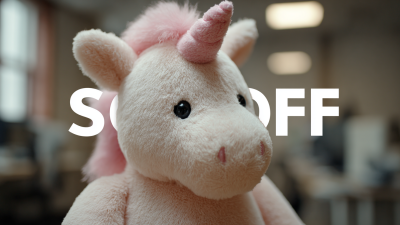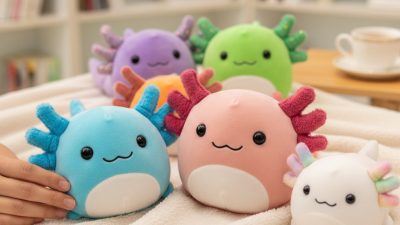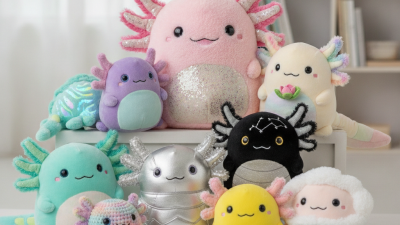
A Unicorn Soft Toy is more than a colorful nursery decoration. Its appeal begins with touch: a velvety body, rounded hooves, and a soft mane that feels comforting in small hands. Children may hug it during bedtime, carry it through the house, or invent stories around its glittering horn. Adults often notice something else. The toy looks cheerful, photographs well, and fits easily into bedrooms, playrooms, and gift baskets.
Dr. Amanda Gummer, a child-development and toy expert, offers a useful perspective: “A good toy should invite a child to play, not dictate every move.” That idea helps explain why buyers choose unicorn designs. The creature represents imagination, kindness, and fantasy without requiring complex instructions. A child can name it, care for it, or make it part of a wider pretend-play world. Some buyers also seek sensory comfort, especially from plush fabrics and gentle shapes. These details matter.
Still, the buying decision is not purely emotional. Reliable sellers should provide clear age guidance, secure stitching, washable-care instructions, and information about stuffing and outer fabrics. Loose decorations can become a concern for younger children. A beautiful toy is not automatically a suitable one. That point is easy to overlook.
This article explores what makes a Unicorn Soft Toy distinctive, why it attracts different age groups, and how quality affects buyer trust. It also considers personalization, gifting occasions, and current design preferences. The market is appealing, though not flawless. Some products look charming online but feel thin or poorly finished in person. Careful buyers learn to examine details before believing the sparkle.
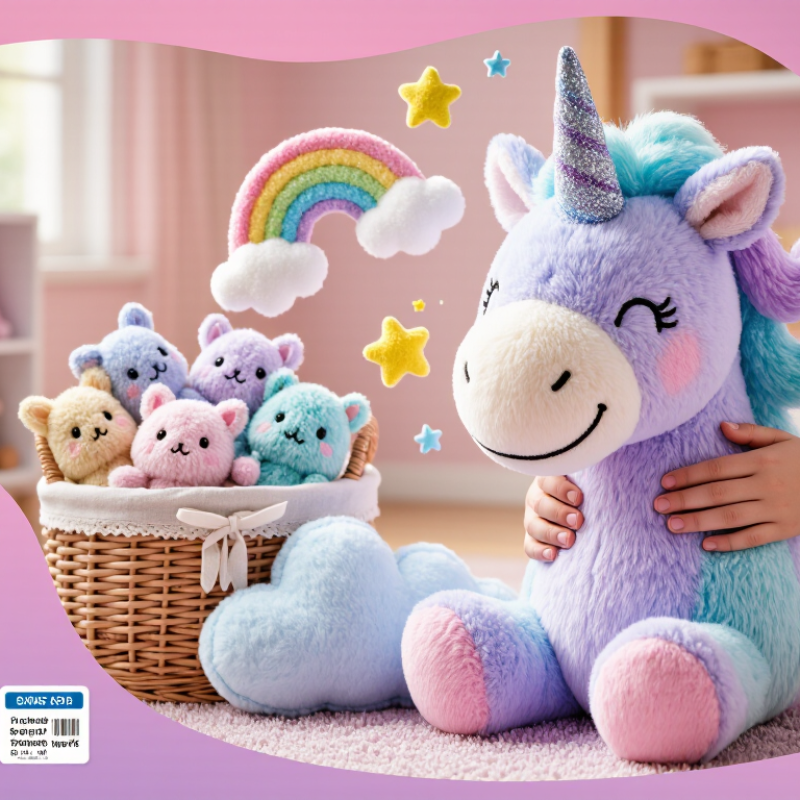
A unicorn soft toy is a stuffed fabric figure shaped like a unicorn. It usually has a rounded body, four short legs, a horn, ears, and a flowing mane. Common fillings include polyester fiber, which feels light and springy in a child’s hands. The outer fabric may be plush, velour, or cotton-blend material. Good construction matters more than glitter. Secure stitching, embroidered eyes, and firmly attached details reduce common safety concerns. Size also changes its purpose. A small toy fits a travel bag, while a larger one can support quiet reading or pretend play.
Buyers often love unicorn soft toys because they combine comfort with imaginative meaning. A child may treat one as a bedtime companion, room decoration, or gentle character in a daily story. Soft textures can feel reassuring after a busy day. Bright pastel colors also make the toy visually inviting. However, appearance alone is not enough. When checking quality, inspect seam strength, fiber shedding, odor, and washing instructions. These details are easy to overlook. I once assumed a dense mane meant better quality, but loose strands proved otherwise. That small mistake changed my inspection habits.
Tips: Choose age-appropriate designs with embroidered features and washable fabric. Press the seams gently and look for gaps around the horn and ears. Avoid loose ribbons or detachable decorations for younger children. Check the care label before buying. Air-drying often helps preserve shape. Still, no feature guarantees perfect durability. Regular inspection remains sensible, especially after frequent cuddling and washing.
| Dimension | Typical Data or Definition | Why Buyers Value It | Practical Consideration |
|---|---|---|---|
| Basic Definition | A stuffed, tactile toy designed with recognizable unicorn features such as a horn, ears, mane, and tail. | Combines imaginative play with the familiar comfort of a soft, huggable object. | The horn and facial details should be securely attached and suitable for the intended age group. |
| Common Outer Fabrics | Plush polyester, microfiber, fleece, or other soft synthetic textile surfaces. | Soft fabrics provide a pleasant tactile experience and are generally easy to clean. | Fabric density, stitching quality, and surface shedding can vary between products. |
| Typical Filling | Usually polyester fiberfill; some designs may include foam or weighted filling. | Resilient filling helps the toy feel lightweight, squeezable, and suitable for cuddling. | Weighted versions require additional safety considerations and should be used according to age guidance. |
| Common Size Range | Approximately 15–50 cm in height, with larger decorative versions also available. | Different sizes support varied uses, from hand-held play to bedroom decoration. | Check dimensions before purchase because product photos can make toys appear larger or smaller. |
| Visual Design | Pastel or bright colors, embroidered eyes, a spiral horn, pointed ears, a mane, and a decorative tail. | The fantasy appearance encourages pretend play and appeals to children and collectors. | Embroidered facial features are generally preferable for younger children because they avoid loose plastic parts. |
| Tactile Experience | Soft, compressible, and lightweight, with textures that may differ between the body, mane, and tail. | Hugging and squeezing can provide a comforting sensory experience. | People with sensory sensitivities may prefer a specific pile length or a less textured design. |
| Primary Uses | Imaginative play, cuddling, nursery decoration, gifting, travel comfort, and themed collections. | One product can serve both a functional comfort role and a decorative purpose. | Use should match the toy’s construction, care instructions, and recommended age range. |
| Care Requirements | Many soft toys can be surface-cleaned; some are machine washable when a care label permits it. | Simple care helps maintain softness, appearance, and hygiene over time. | Remove detachable accessories before washing and dry the filling thoroughly to help prevent odors or mildew. |
| Safety Features | Secure seams, firmly attached parts, embroidered details, and age-appropriate construction. | Safety-focused construction increases trust, especially when the toy is intended for children. | Inspect seams, eyes, horns, ribbons, and small accessories regularly for wear or looseness. |
| Emotional Appeal | Associated with fantasy, kindness, imagination, comfort, and playful self-expression. | The symbolic design can create an emotional connection beyond the toy’s basic function. | Color, facial expression, size, and softness strongly influence personal preference. |
| Gift Suitability | Commonly chosen for birthdays, holidays, nursery gifts, celebrations, and fantasy-themed occasions. | The recognizable character makes the item easy to understand and visually appealing as a gift. | Select the size and design according to the recipient’s age, interests, and available space. |
| Key Buying Criteria | Softness, durability, size, appearance, washable construction, safety, and value for money. | These factors help buyers balance immediate appeal with long-term usability. | A visually attractive toy may still require careful evaluation of materials, stitching, and care instructions. |
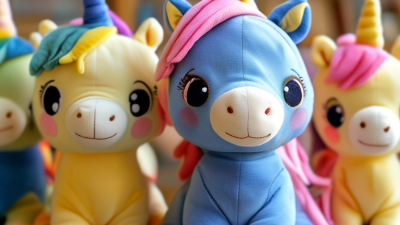
A unicorn soft toy is usually made from polyester plush because it feels smooth, holds color well, and tolerates repeated handling. Cotton can create a softer, more natural touch, but it may wrinkle and absorb moisture more easily. Recycled fiber filling is another option for buyers seeking lower material waste. The filling should be evenly distributed, with no hard lumps inside.
Design details shape both appearance and safety. Embroidered eyes, nostrils, and mouth are generally more suitable than small detachable parts. A horn may use soft foam, fabric, or tightly stitched padding. Satin wings and a flowing mane add movement, although loose trim can require closer quality inspection. Color choices also matter. Pastel shades suggest gentleness, while metallic fabric creates a more magical effect. No design is perfect.
Sizes often range from palm-sized toys to large room cushions. A 20-centimeter toy suits travel and gift packaging, while a 60-centimeter version feels more decorative. Oversized toys need stronger seams and careful filling control. Manufacturing commonly follows a cut-and-sew process: pattern pieces are cut, facial details are added, seams are stitched, and stuffing is inserted before final closing. Some producers use computerized embroidery for consistent features. Hand finishing still helps correct uneven ears or crooked horns, but it increases labor time. In sample checks, I would inspect seam strength, surface shedding, odor, and shape recovery after compression. A slightly uneven mane may look charming, yet it can also reveal rushed production. That distinction deserves attention.
A unicorn soft toy can offer more than a colorful shape on a bed. Its soft fabric, rounded body, and familiar face may help a child feel settled during quiet moments. A child might hold it during a car ride, rest it beside a pillow, or whisper to it after a difficult day. These small routines can create emotional comfort without demanding conversation.
Soft toys also invite open-ended play. A child may turn the unicorn into a story character, caring for it, feeding it, or taking it on an imaginary journey. This play can support language, empathy, and problem-solving. Parents can ask simple questions, such as, “Why is the unicorn hiding?” or “What does it need?” Such prompts encourage children to describe feelings and build longer sentences. The toy can also support learning colors, counting, and basic storytelling.
Practical details matter. Choose a toy with secure stitching, washable materials, and an age-appropriate design. Check it regularly for loose parts or damaged seams. Comfort objects are helpful, but they are not a magic solution. Some children may ignore them completely. Others may become deeply attached, which can make travel or washing difficult. Caregivers should observe the child’s response rather than force interaction. A soft toy works best when it follows the child’s imagination, not when adults control every game.
What Is a Unicorn Soft Toy and Why Do Buyers Love It?
A unicorn soft toy combines fantasy, softness, and visual comfort in one object. For children, its rounded body and washable fabric invite safe, repeated handling. A child may carry it from the bedroom to the car, leaving visible signs of attachment. The American Academy of Pediatrics links imaginative play with emotional expression, social learning, and problem-solving. A unicorn also gives children a simple character for storytelling. It can become a friend, guardian, or brave explorer.
Adults collect unicorn soft toys for different reasons. Many seek nostalgia, decorative charm, or comfort after stressful workdays. Circana reported that “kidults” generated approximately 9 billion dollars in United States toy sales in 2023. They represented about one-quarter of the market. This data shows that plush toys are not only children’s products. Adult buyers often inspect stitching, fabric texture, facial symmetry, and limited-edition design details. A soft toy placed on a bookshelf can function like a small art object.
The emotional appeal is not always predictable. Some buyers want a rare-looking piece, while others prefer a slightly imperfect face. That matters. A perfectly designed unicorn may feel less personal. Collectors may also value memories more than resale potential, although that assumption deserves careful testing. A useful product should feel pleasant in the hand, remain durable, and suit the owner’s daily space. Not every unicorn becomes a treasured collectible. Some simply make difficult mornings feel gentler.
A unicorn soft toy combines comfort, fantasy, and easy gift appeal. Buyers often choose one for bedtime, travel, or emotional reassurance. Yet softness should not replace careful inspection. Check the stitching around the horn, eyes, ears, and seams. Loose parts can become hazards, especially for younger children.
Safety standards matter more than attractive packaging. The U.S. Consumer Product Safety Commission reported an estimated 186,100 toy-related injuries treated in emergency departments in 2023 among children under 15. Its annual report shows why age guidance deserves attention. Look for testing references such as ASTM F963, EN 71, or ISO 8124, depending on the selling market. These standards address mechanical hazards, flammability, and certain chemical risks. A sewn horn may look secure. Looks are not proof.
Tips: Choose embroidered features for infants and inspect the toy after washing. Follow the care label, use a gentle cycle when permitted, and dry it completely. Damp filling can develop an unpleasant smell. Remove ribbons, tags, and accessories before giving the toy to a small child. Check for torn seams every few weeks. The European Commission’s Safety Gate reports regularly identify toys among commonly notified unsafe product categories, so marketplace reviews alone are weak evidence. I sometimes overvalue softness, but durability deserves equal attention. A slightly imperfect seam can become a bigger problem after repeated hugging.
Buying considerations, safety standards, and care requirements
How to read the chart: These age thresholds summarize key toy-safety considerations for buyers. In the United States, toys for children under 3 must not contain prohibited small parts, while small-part choking-hazard warnings are generally relevant for products intended for children from 3 through 6 years. ASTM F963 applies to toys intended for children under 14. In the European Union, a toy is generally defined as a product designed or intended for play by children under 14.
Buying and care tips: Choose a unicorn soft toy with securely attached features, age-appropriate labeling, durable stitching, and clearly stated materials. Follow the sewn-in cleaning instructions, use gentle surface cleaning when machine washing is not permitted, air-dry thoroughly, and regularly inspect seams, eyes, horns, and filling for damage.
Regulatory references: U.S. Consumer Product Safety Commission small-parts and choking-hazard requirements, ASTM F963 toy safety standard, and the European Union Toy Safety Directive. Requirements can vary by market and product design.