Leave Your Message

What Are the 2026 Best Petrol Remote Control Cars?

Choosing the 2026 best Petrol Remote Control Cars requires more than comparing engine size or top speed. Buyers should examine starting reliability, clutch response, suspension travel, parts availability, and noise control. A 32cc model may feel powerful on loose gravel, yet a well-tuned 25cc car can deliver smoother acceleration and easier maintenance.

Market research remains useful, but its limits matter. Grand View Research and other specialist market analysts usually group remote-control products into broad categories. They rarely separate petrol cars from electric models. Therefore, their growth estimates show consumer interest, not a precise forecast for petrol vehicles. That distinction is easy to miss.

Professional RC racer Adam Drake has often emphasized a practical workshop principle: “Test, don’t guess.” It fits petrol ownership well. Temperature, fuel mixture, air-filter condition, and clutch wear can change performance within one afternoon. A clean filter may restore throttle response. A worn clutch may make the same engine feel strangely weak.

This guide compares 2026 models through real ownership details, not brochure claims. It considers driving feel, mechanical access, running costs, durability, and responsible operation. Safety equipment and local noise rules also belong in the decision. A faster car is not automatically better.

Some conclusions remain imperfect. Manufacturer specifications can differ from track experience. Availability may change quickly. Still, careful testing, credible reviews, and transparent comparisons can identify the strongest Petrol Remote Control Cars for beginners, hobbyists, and experienced drivers.
What Are the 2026 Best Petrol Remote Control Cars?

2026 Petrol RC Car Standards: 1/5 Scale and 23–32 cc Two-Stroke Engines

What Are the 2026 Best Petrol Remote Control Cars?

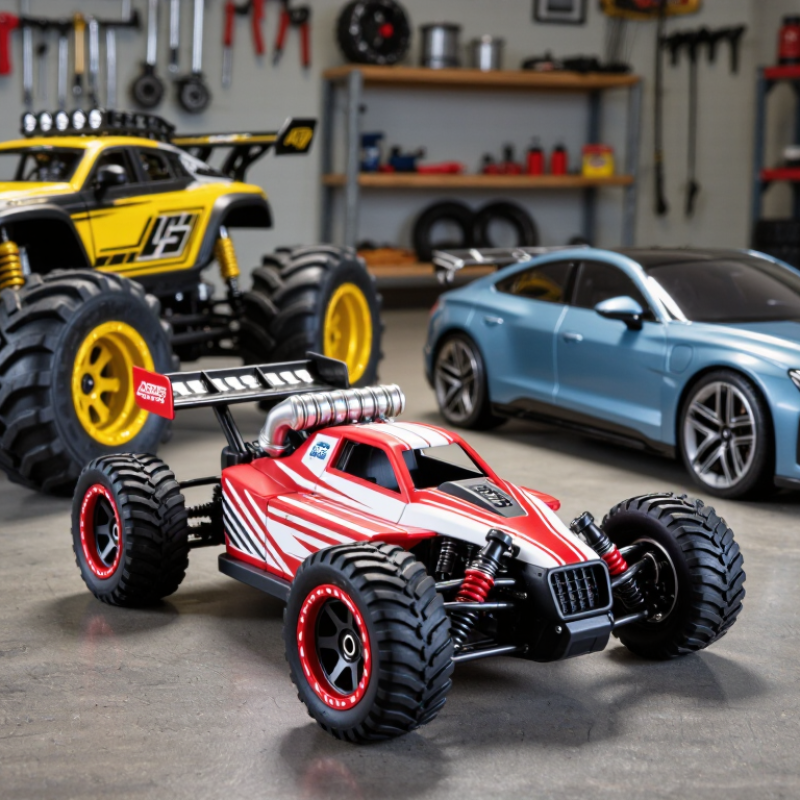
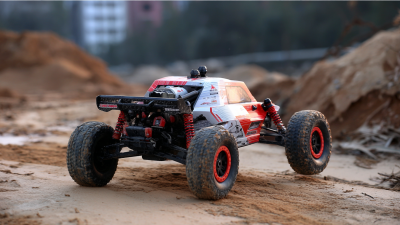
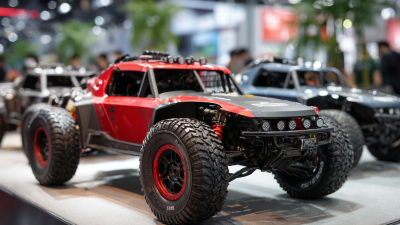
For 2026, a practical petrol RC benchmark is the 1/5 scale chassis with a 23–32 cc two-stroke engine. This size offers strong acceleration, realistic suspension movement, and stable handling on loose ground. The larger frame also provides room for accessible servicing. However, bigger does not always mean better.

A 23 cc engine usually suits drivers who value manageable weight and smoother throttle response. A 32 cc engine delivers stronger pull, especially through grass or uneven soil. That extra power demands better clutch control and more careful tuning. The engine should start consistently, hold a steady idle, and respond without hesitation. Examine the fuel lines, air filter, cooling fins, and exhaust mounting before every session. Small faults become expensive when ignored.

The best 1/5 petrol car should also have firm steering links, sealed bearings, and adjustable suspension. Metal parts can improve durability, but they may increase weight after repeated impacts. I prefer a balanced setup over maximum power, though this judgment can change with the terrain. A wide chassis feels planted on a dirt track, while excessive grip can stress the drivetrain. Expect regular cleaning, spark plug checks, and clutch inspection. Two-stroke engines are practical, but they are not maintenance-free. Noise levels and operating areas should always be considered responsibly.
2026 Petrol RC Car Standards: 1/5 Scale and 23–32 cc Two-Stroke Engines

Representative engine-displacement classes within the common 23–32 cc range for 1/5-scale petrol remote control cars. These engines are typically air-cooled, single-cylinder, two-stroke designs.

Engine Comparison: Displacement, RPM, Fuel Ratios, and Typical Runtime

The best petrol remote control cars in 2026 balance engine size, usable RPM, fuel economy, and dependable runtime. Displacement mainly controls torque, not maximum speed. A 23cc engine usually offers strong acceleration for grass, loose soil, and heavier vehicles. Smaller 18cc engines can feel lighter and more responsive on firm surfaces.

RPM figures need careful interpretation. Many petrol engines produce useful power between 10,000 and 15,000 RPM under load. Peak RPM may exceed 18,000, but that number rarely reflects real driving. Gear ratio, tire size, clutch engagement, and engine temperature change the result. I prefer stopwatch testing across three identical runs. One fast run proves very little.

Fuel mixture matters just as much. Follow the engine manual, but common two-stroke ratios range from 25:1 to 40:1 petrol-to-oil. Too much oil can reduce throttle response and create heavy smoke. Too little oil may increase wear and overheating. A 700–1,000 milliliter tank often provides 25–45 minutes of mixed driving. Aggressive throttle use shortens that time. My estimates are not flawless, because wind, terrain, and tuning interfere. Measure your own runtime before planning a long session.

Chassis Analysis: 2WD Versus 4WD, Oil Shocks, Brakes, and Clearance

For 2026 petrol remote control cars, chassis design matters more than aggressive engine figures. A 2WD layout feels lighter and teaches throttle control on loose dirt. Its rear tires dig in, but sharp turns can produce sudden spins. That behavior is exciting, though not always forgiving. A 4WD chassis distributes power across all wheels, improving grip on grass, gravel, and damp soil. It also adds weight, drivetrain friction, and more parts to inspect after running.

Oil-filled shocks deserve close attention. Spring stiffness supports the chassis, while silicone oil controls how quickly each wheel returns after compression. On a rough track, poorly adjusted shocks can make the car bounce like a metal toolbox. I usually begin with moderate oil and check tire contact over small bumps. The first setup is rarely perfect. Temperature, tire wear, and driving speed can change the result.

Brakes also affect chassis balance. Mechanical disc brakes should slow the car smoothly without locking the rear wheels. A sudden lockup can rotate the chassis before a corner. Ground clearance needs equal care. More clearance protects the chassis plate from stones, but too much raises the center of gravity. Around 25 to 35 millimeters often suits mixed terrain, depending on tire size and suspension travel. Measure it at rest, then inspect the underside after a full run. Fine dust around the shock shafts is a useful warning.

Ownership Metrics: Parts Availability, Service Intervals, Noise, and Cost

Choosing the 2026 best petrol remote control car requires more than checking speed figures. Ownership costs often decide whether the model stays enjoyable after several weekends.

In my workshop, parts availability is the first practical test. A damaged clutch bell or cracked suspension arm should be replaceable within days, not weeks. Common screws, filters, belts, and drive gears should have clear part numbers. Service intervals also matter. Most petrol models need air-filter cleaning after dusty runs, oil checks, and regular clutch inspection. A neglected engine may start poorly and waste fuel. Keep a simple maintenance log. It prevents guesswork.

Noise can change the entire driving experience. A petrol engine sounds exciting in an open field, but it may disturb neighbors near homes. Check local rules before choosing a running area. Fuel, spark plugs, lubricants, tires, and tools create recurring costs. A low purchase price can become expensive when replacement parts are rare. I once selected a cheaper model and later spent more on shipping small components. That was a poor calculation. Some estimates also ignore broken body panels and worn bearings. Leave room in the budget for both.

Reliability improves when the chassis uses accessible hardware and the engine has clear adjustment guidance. A supported service network is valuable, even for experienced owners. Still, no petrol car is maintenance-free. Expect dirty hands, occasional tuning mistakes, and quiet weekends spent repairing instead of driving.

What Are the 2026 Best Petrol Remote Control Cars? – Ownership Metrics: Parts Availability, Service Intervals, Noise, and Cost
Recommended Category Typical Engine and Drive Layout Parts Availability Routine Service Intervals Typical Noise Level Typical Purchase Cost Estimated Annual Running Cost Ownership Suitability
1/5 Petrol Buggy
Light off-road competition and recreational driving
23–32 cc two-stroke petrol engine;
2WD or 4WD;
approximately 70–90 km/h
High
Common drivetrain, suspension, clutch, brake, and body components are usually available from specialist retailers and aftermarket suppliers.
Clean or replace the air filter every 1–3 fuel tanks in dusty conditions.
Inspect clutch and brakes every 10–15 operating hours.
Replace spark plug approximately every 20–30 hours.
Approximately 78–88 dB(A) at 1 metre in open air, depending on exhaust system and engine tuning. Approximately US$700–US$1,400 for a ready-to-run vehicle. Approximately US$250–US$650, including fuel, filters, spark plugs, tyres, and normal wear parts. Best Overall
Good balance of durability, controllability, speed, and long-term parts support.
1/5 Petrol Short-Course Truck
High-clearance recreational off-road driving
23–32 cc two-stroke petrol engine;
usually 4WD;
approximately 60–80 km/h
High
Large suspension arms, wheels, bumpers, and body panels are widely stocked because these parts experience frequent impact loads.
Inspect suspension mounts and driveline after every hard session.
Clean the air filter every 1–2 fuel tanks in dusty terrain.
Check gear mesh and wheel bearings every 10–15 hours.
Approximately 80–90 dB(A) at 1 metre in open air. Approximately US$800–US$1,600 for a ready-to-run vehicle. Approximately US$300–US$800 because tyres, bumpers, suspension parts, and body panels may wear faster. Best for Rough Terrain
Strong choice for owners who value impact resistance over maximum cornering precision.
1/5 Petrol Monster Truck
Large-wheel recreational driving and jumps
26–32 cc two-stroke petrol engine;
generally 4WD;
approximately 55–75 km/h
High
Mechanical parts are generally easy to source, although large tyres, wheels, and body shells can be more expensive.
Check wheel hexes, driveshafts, suspension pins, and shock absorbers after each jump session.
Replace or service wheel bearings every 10–20 hours.
Approximately 80–92 dB(A) at 1 metre in open air. Approximately US$850–US$1,700 for a ready-to-run vehicle. Approximately US$350–US$950, with tyre and suspension damage being the main variable costs. Best for Play Value
Fun and forgiving, but heavier and usually less efficient than a buggy or on-road model.
1/5 Petrol On-Road GT
Tarmac, parking-area, and closed-course driving
23–32 cc two-stroke petrol engine;
2WD or 4WD;
approximately 70–100 km/h
Moderate to High
Mechanical parts are usually available, but low-volume body shells, road tyres, and scale accessories may have longer lead times.
Check clutch, brakes, belt or gear drive, and tyre condition every 5–10 hours.
Inspect chassis fasteners after every high-speed session.
Approximately 76–87 dB(A) at 1 metre in open air, depending on exhaust design. Approximately US$900–US$1,800 for a ready-to-run vehicle. Approximately US$300–US$750, with tyres, clutch components, and brake parts accounting for most routine expenditure. Best for Smooth Surfaces
Efficient on clean, flat ground, but vulnerable to kerbs, stones, and uneven surfaces.
1/5 Petrol Scale Touring Car
Scale-focused road driving and display use
23–32 cc two-stroke petrol engine;
commonly 2WD;
approximately 55–85 km/h
Moderate
Engine and drivetrain components are usually obtainable, while scale bodywork, mirrors, lights, and trim may be less consistently stocked.
Check steering linkage, brake adjustment, clutch, and tyres every 5–10 hours.
Inspect body mounting points after transport and minor impacts.
Approximately 75–86 dB(A) at 1 metre in open air. Approximately US$1,000–US$2,000 for a ready-to-run vehicle. Approximately US$300–US$850, depending on tyre wear and the cost of scale replacement parts. Best for Scale Detail
Suitable for careful owners who prioritize appearance and road manners over jump durability.
Large-Scale Petrol Utility Truck
Long recreational sessions and mixed-surface driving
26–35 cc two-stroke petrol engine;
2WD or 4WD;
approximately 50–75 km/h
High
The simple engine architecture and widely shared hardware make filters, plugs, clutch parts, and fasteners relatively easy to replace.
Clean the air filter every 1–3 fuel tanks.
Inspect fuel lines and tank fittings every 10 hours.
Service clutch and gearbox components every 15–25 hours.
Approximately 78–90 dB(A) at 1 metre in open air. Approximately US$650–US$1,300 for a ready-to-run vehicle. Approximately US$220–US$600, usually lower than high-performance models because operating speeds and tyre loads are lower. Best for Low-Cost Ownership
A practical choice for owners who prefer simple maintenance and moderate performance.
Cost figures are typical 2026 consumer-market ranges in US dollars and exclude shipping, tools, storage, and damage caused by crashes. Noise figures are approximate open-air readings at 1 metre; local sound limits may require a greater distance, a quieter exhaust, or a designated operating site. Actual service intervals depend on dust, fuel mixture, engine tuning, driving style, and storage conditions.

Best-Model Selection by Terrain, Driving Skill, Speed, and Safety Data

Choosing the best 2026 petrol remote control car depends on terrain, driving skill, speed, and safety evidence. For beginners, a 1:8 model with four-wheel drive, adjustable throttle, and strong bumpers offers better control on loose soil. Flat grass favors moderate suspension travel. Rocky ground demands sealed bearings, higher ground clearance, and protected fuel lines. A practical test should include cold starts, repeated braking, and five-minute engine-temperature checks. Small details matter.

Experienced drivers may prefer larger engines and faster acceleration, but top speed alone is a weak selection measure. A measured 45–60 km/h can feel safer than an unstable 70 km/h setup. Look for progressive steering, reliable radio range, and accessible replacement components. Industry testing guidance, including ASTM F963 and EN 71 principles, emphasizes secure small parts, durable construction, and clear warnings, although petrol hobby cars may fall outside some toy classifications. That distinction deserves attention.

Safety data should influence the purchase, not decorate it. The U.S. Consumer Product Safety Commission’s 2023 toy-injury report recorded more than 200,000 emergency-department injuries involving toys, reinforcing the need for protective habits. Petrol models also require ventilation, cool-down time, and approved fuel storage. NFPA 30 remains a useful reference for flammable-liquid handling. Wear eye protection. Keep spectators back. My imperfect view is simple: published speed claims are often optimistic, while braking distance and maintenance quality receive too little testing.