Best Unicorn Soft Toy Manufacturer in China for Bulk Orders?
Choosing the best Unicorn Soft Toy manufacturer in China for bulk orders requires more than comparing unit prices. Buyers need repeatable quality, clear communication, and production capacity they can verify. Grand View Research estimated the global stuffed animal and plush toy market at US$10.4 billion in 2023, with a projected 7.2% compound annual growth rate from 2024 to 2030. This market estimate signals opportunity, not guaranteed demand. Forecasts can change.
At factory level, small details matter. Check the sample’s fabric feel, embroidered eyes, seam strength, stuffing distribution, and label placement. Ask how the supplier controls materials and checks finished goods across a production run. Request a written specification, dated sample photos, and a documented inspection plan. For larger orders, confirm lead times, minimum quantities, packaging details, and the process for handling defects before approving production. Verify that testing and product documentation match the destination market’s requirements; do not rely on a general assurance.
No supplier is perfect. A polished sample can still differ from bulk production, so a clear approval process is essential. China has a broad toy-manufacturing base, but sourcing results vary by factory, product design, and order size. The strongest shortlist combines evidence: relevant production experience, transparent communication, and consistent sample quality. Those checks help buyers find a suitable partner—not merely the lowest quote.
What Defines a Reliable Unicorn Soft Toy Manufacturer in China?
A reliable unicorn soft toy manufacturer is judged by repeatable quality, not colorful sample photos.
The Grand View Research report on stuffed animal and plush toys estimated a global market value of USD 10.4 billion in 2023. Growing demand makes consistent bulk production important. But market growth alone says nothing about a factory’s skill.
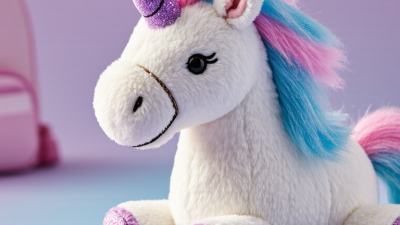
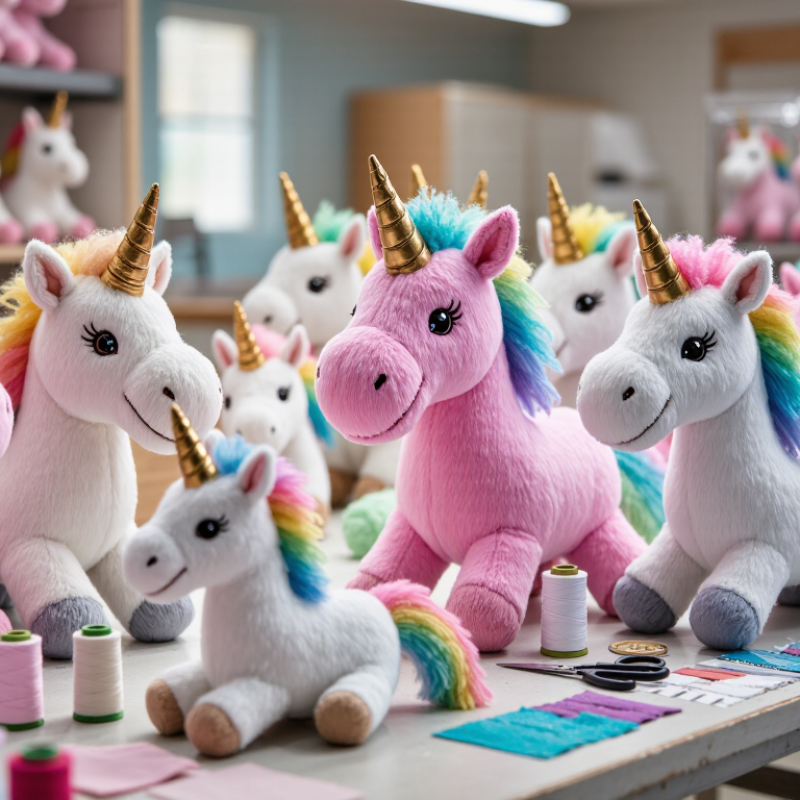
Ask how the factory controls fabric, stitching, filling, and final inspection. Request a production sample made with the same materials planned for the order. Check the horn seam, embroidered eyes, and whether filling feels even across the body. Small details matter. Ask for written inspection records and clear defect limits. An ISO 9001 certificate can indicate a quality system, but it cannot prove every shipment is flawless.
Communication matters, too. A dependable supplier confirms order quantities, sample approval dates, packaging details, and shipment schedules in writing. Request photos or inspection updates during production, not only before dispatch. For large orders, discuss how color variation and rework will be handled. This is often overlooked. I would still inspect a pre-shipment sample; paperwork can look reassuring while a soft toy’s shape feels wrong in hand.
How China’s Plush Toy Manufacturing Process Supports Bulk Orders
A bulk unicorn soft toy order depends on a repeatable process, not just a cute approved sample. A China-based factory typically moves from pattern making and sample approval to fabric cutting, embroidery, sewing, stuffing, and final inspection. Clear specifications for horn shape, pile length, eye placement, and filling density help keep later units consistent. Small details matter.
Grand View Research estimated the global plush toys market at about USD 10.7 billion in 2023, with projected growth through 2030. That demand makes dependable production planning important. Factories can group cutting and sewing by approved fabric lots, then check measurements and stitching during production. Before shipment, carton counts and packed samples should match the purchase specifications. These checks reduce avoidable surprises, though they cannot guarantee every toy will be identical.
One weak point is rushing sample approval to meet a shipping window. A horn that looks upright in a small sample may lean after bulk stuffing. Ask the manufacturer to test the approved pattern with production fabric and filling, then review a pre-shipment sample. It takes discipline. Buyers should also confirm inspection criteria in writing; vague instructions like “good quality” leave too much room for interpretation.
Which Quality and Safety Standards Should Buyers Check?
For bulk unicorn soft toys, check the exact product against the safety rules in each destination market. Common frameworks include ASTM F963 in the United States, EN 71 in Europe, and ISO 8124 internationally. Ask for current test reports from a qualified laboratory, not just a supplier’s certificate. The report should match the toy’s materials, age grading, and design. A test on a similar sample may not cover your order.
Inspect the details. Pull the horn, ears, mane, and embroidered features; check seams, loose threads, and filling access. Confirm tests for small parts, flammability, restricted chemicals, and color transfer where applicable. The U.S. Consumer Product Safety Commission’s 2023 Toy-Related Deaths and Injuries report estimated 231,700 toy-related emergency-room injuries. This figure covers toys generally, not plush toys alone, but it underlines why checks matter. Small details matter. Ask how production batches are sampled and whether records can be traced to shipment lots. A certificate can still miss a weak seam or a changed fabric. I would verify the first production sample myself, even when paperwork looks complete.
Unicorn Plush Toy Safety: U.S. Chemical Limits Buyers Should Check
Before placing a bulk order, ask for test reports from an accredited laboratory that identify the toy’s materials and tested components. U.S. limits shown are 100 ppm for total lead in children’s products, 90 ppm for lead in paint and surface coatings, and 1,000 ppm (0.1%) for each phthalate restricted in applicable children’s toys and child-care articles. These limits cover different substances and scopes; they are not interchangeable. Also verify applicable toy safety testing, such as ASTM F963, and requirements in the destination market.
How to Compare Manufacturers by Capacity, Customization, and Cost
Choosing a unicorn soft toy manufacturer in China for bulk orders means checking more than the quoted unit price. Ask about monthly output, current order load, and a realistic sample-to-shipment schedule. A large workshop does not automatically mean reliable delivery. Request a physical sample and inspect the horn attachment, seam strength, fabric feel, and color consistency. Small details matter.
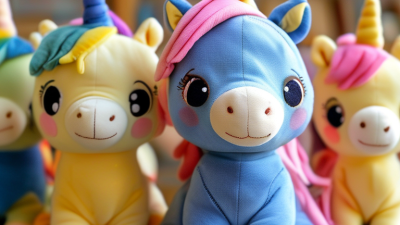
Customization can affect both timing and cost. Confirm whether the factory can match your requested size, mane colors, embroidery, and packaging, then ask which changes require new tooling or extra setup. I would not treat one perfect sample as proof of consistent bulk quality; that is an easy mistake. Ask how production checks are recorded and what happens when a batch differs from the approved sample. The answer should be specific.
Tips: Send the same written specifications to each manufacturer. Compare quotes that include the same materials, order quantity, packaging, sample charges, and shipping terms. A lower price may exclude key costs. Ask for a price breakdown, not just a total, and check whether payment milestones align with sample approval and production progress. If an answer is vague, clarify it before placing a large order.
What Steps Help Manage Sampling, Production, and Delivery?
A dependable bulk order starts with a clear product brief. Specify the unicorn toy’s height, fabric, filling, colors, stitching, and packaging. Send reference photos with measurements, not just a verbal description. Ask the manufacturer to confirm which details affect cost and lead time. For sampling, review the fabric feel, horn shape, facial embroidery, and seam strength. Keep written feedback specific: “move the eyes 5 millimeters apart” is more useful than “make it cuter.” Approve a final sample before production begins. Small differences can become obvious across a large batch.
Tips: Request a sample timeline and a separate production schedule. Photograph approved samples from several angles. Record any agreed changes in writing. Leave room for one revision; it may take longer than expected.
During production, agree on progress updates and inspection points, such as fabric cutting and finished sewing. Ask how defects are recorded and corrected. A pre-shipment inspection can check dimensions, stitching, color consistency, and carton counts. Do not rely on a single finished toy as proof of batch quality. Before dispatch, confirm carton size, gross weight, shipping method, and destination details. Build buffer time for inspection and transit, since estimates can shift. One lesson worth keeping: a polished sample does not automatically mean every production unit will match it. Clear records and timely checks help catch gaps early.