Leave Your Message

What Is a Cat Soft Toy and How to Source It?

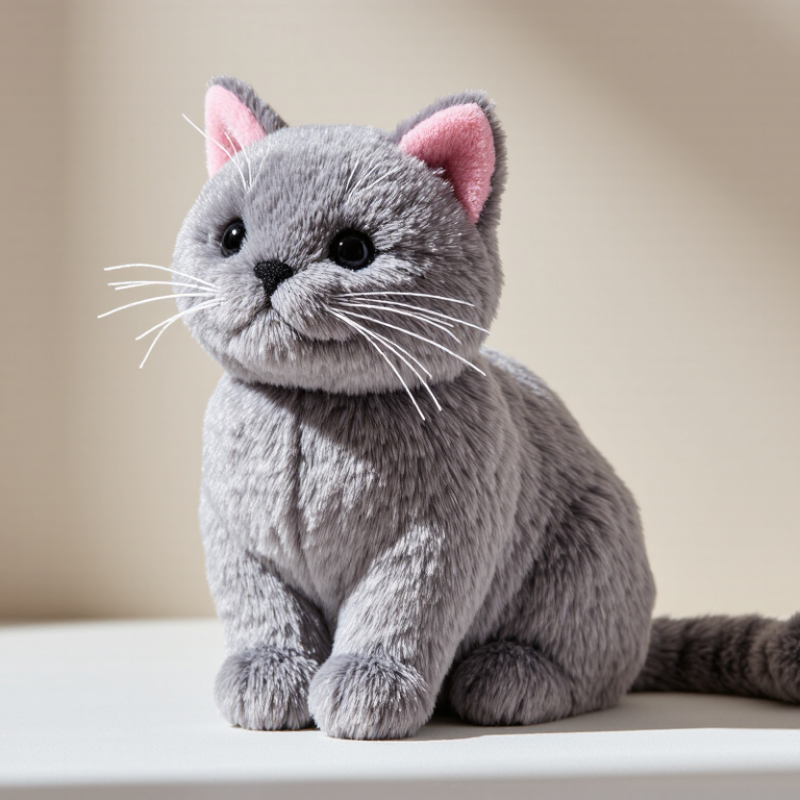
A Cat Soft Toy is more than a cute fabric animal. It is a tactile product shaped by design, safety, comfort, and responsible sourcing. Its appeal may begin with embroidered whiskers and soft grey fur, but quality is decided inside the seams. The filling should feel springy, not lumpy. The eyes and nose must resist pulling. Small details matter.

Dr. Amanda Gummer, founder of the Good Play Guide and a respected toy-development specialist, has said, “The best toys are safe, engaging, and developmentally appropriate.” This principle fits every Cat Soft Toy project. Buyers should examine fabric composition, stitching density, stuffing materials, surface durability, and age guidance. A supplier should also provide clear test documentation for the target market. Claims without records are not enough.

Sourcing begins with a precise product brief. Define the cat’s size, sitting position, fabric texture, colors, packaging, and expected order quantity. Then compare manufacturers through samples, factory communication, quality systems, and production experience. Touch the sample yourself. Check its seams after repeated squeezing. It may sound simple, yet many sourcing mistakes begin with attractive photos.

A dependable supplier should explain minimum order quantities, sample charges, lead times, inspection procedures, and packaging protection. Independent inspections can reveal loose threads, uneven embroidery, unpleasant odors, or inconsistent stuffing. These problems are easy to overlook during a rushed approval.

The perfect supplier may not exist. Trade-offs remain. Lower prices can reduce material choices or inspection depth. A thoughtful sourcing process accepts this uncertainty, records each decision, and improves the product before mass production. That is how a charming Cat Soft Toy becomes a reliable, market-ready product.

What Is a Cat Soft Toy and How to Source It?

Definition and Key Features of a Cat Soft Toy

A cat soft toy is a stuffed, cuddly product designed to resemble a cat or suit feline-themed play. Its core features include a soft outer fabric, flexible filling, secure stitching, and a shape that feels comfortable in small hands. Some designs include embroidered eyes, fabric ears, or crinkly inserts. Loose plastic parts need careful review.

The American Pet Products Association’s 2023–2024 National Pet Owners Survey recorded about 46.5 million U.S. cat-owning households. This figure shows a substantial audience for cat-themed gifts and children’s products. Grand View Research estimated the global stuffed toys market at approximately USD 11.7 billion in 2023. Demand is broad, but cat soft toys still require specific quality checks.

During sourcing, request material composition, filling details, seam strength results, and age-grade documentation. ISO 8124 and ASTM F963 provide useful safety frameworks for toys, especially regarding small parts, flammability, and mechanical risks. A soft surface does not guarantee safe construction. I have found that supplier photos often hide weak seams and uneven stuffing. Ask for pre-production samples, then inspect the neck, ears, whiskers, and tail by hand. Embroidered details usually reduce detachment risks, although they can still unravel after rough use. Sourcing decisions should also consider washable fabric, colorfastness, packaging clarity, and factory quality records. Fancy details are not always valuable.

What Is a Cat Soft Toy and How to Source It?

A cat soft toy is a textile toy made with a soft outer fabric, flexible filling, and securely attached decorative features.

The chart shows a typical sourcing timeline in business days for a cat soft toy project. The process commonly includes concept development, prototype production, sample approval, safety testing, and bulk manufacturing. Actual timing depends on design complexity, materials, testing requirements, and order quantity.

Materials, Designs, and Safety Standards

What Is a Cat Soft Toy and How to Source It?
Materials, Designs, and Safety Standards

A cat soft toy is a stuffed fabric product shaped like a cat. It may serve as a child’s plaything, a gift, or a decorative cushion. Common materials include polyester plush, cotton fabric, recycled fibers, and polyester filling. Each option feels different. Plush fabric is soft, while woven cotton often offers sharper printed details. During sample reviews, check the fabric under bright light. Loose fibers, uneven color, or a chemical smell can signal poor finishing.

Design details affect both appeal and safety. Embroidered eyes are usually safer than glued plastic parts. Tails, ears, and whiskers need strong stitching. Small accessories can become hazards for young children. The design should match its intended age group. I would request a physical sample before approving digital artwork. Digital images can hide thin seams and awkward proportions.

Reliable sourcing requires more than a low quotation. Ask for fiber specifications, filling details, production photos, and test reports from qualified laboratories. Relevant requirements may include flammability, seam strength, color migration, and small-part testing. Standards vary by market, so confirm the rules for each sales region. Check age labels, care instructions, and traceable batch information. A washable toy may sound practical, but repeated washing can expose weak stitching. That point deserves testing, not assumptions.

What Is a Cat Soft Toy and How to Source It? - Materials, Designs, and Safety Standards

Data Dimension Key Information Common Options or Requirements Sourcing Checkpoint
Product Definition A cat soft toy is a fabric or plush toy shaped, decorated, or themed like a cat. It is generally intended for children, collectors, decoration, or supervised pet interaction, depending on its design and labeling. Plush cat, stuffed cat, pillow-style cat, keychain plush, finger puppet, or interactive soft toy. Define the intended user, age range, use case, size, target market, and whether the product is a toy or a pet accessory.
Outer Fabric The outer fabric affects softness, durability, appearance, cleanability, and color performance. Polyester plush, short-pile fleece, cotton, cotton-polyester blend, microfiber, or minky-style fabric. Request fabric composition, colorfastness results, abrasion information, and samples before approving bulk production.
Filling Material The filling determines softness, resilience, weight, and the risk of loose particles escaping from the toy. Polyester fiberfill is widely used; foam, cotton, or granules may be used only when properly enclosed and suitable for the intended product. Check that filling is clean, evenly distributed, free from unwanted odor, and securely contained after seam and pull testing.
Facial Features Eyes, noses, whiskers, mouths, and markings create the cat appearance but can introduce detachment or sharp-point hazards. Embroidered details are generally preferable for young-child products; securely attached safety eyes or noses may be used when appropriate for the applicable standard. Avoid accessible sharp parts, weak attachments, long loose threads, and small detachable components on products intended for children under three years.
Design Styles Design selection influences production complexity, target age, retail positioning, and testing requirements. Realistic, cartoon, kawaii, minimalist, sleeping cat, standing cat, seated cat, or breed-inspired design without using protected brand imagery. Confirm original artwork ownership, approved dimensions, color references, embroidery files, and a pre-production sample.
Size and Weight Size and weight affect shipping cost, packaging, shelf placement, user comfort, and age suitability. Small handheld toys, medium cuddly plush toys, large decorative cushions, or compact travel products. Specify finished height, width, depth, weight tolerance, compressed-pack dimensions, and measurement method.
Construction Quality Strong seams and consistent stuffing help prevent opening, filling leakage, deformation, and early product failure. Lockstitched seams, reinforced stress points, concealed openings, secure embroidery, and trimmed threads. Inspect seam allowance, stitch density, symmetry, loose threads, surface damage, and recovery after compression.
Color and Surface Finish Color consistency and surface quality influence perceived value and help reduce staining or transfer complaints. Solid colors, printed patterns, embroidered markings, contrasting ears, striped tails, or gradient effects. Review colorfastness, rubbing resistance, wash performance where applicable, odor, pilling, and print adhesion.
Washability Cleaning instructions should match the fabric, filling, attachments, and intended use. Surface clean only, hand wash, or machine wash when the construction and materials can withstand the process. Perform representative cleaning tests and provide care instructions that accurately reflect the tested method.
Mechanical Safety Mechanical and physical safety focuses on small parts, seams, accessible filling, sharp points, sharp edges, and entanglement risks. Age grading, tension and torque checks, seam strength, accessibility assessment, and small-parts evaluation. Use an accredited laboratory or qualified testing process appropriate to the destination market and product age.
Flammability Textile and stuffed products may be subject to flammability requirements that vary by market and product category. Testing may address surface burning, flame spread, or related fire-performance criteria. Identify the destination-market rule before production and retain test reports linked to the exact material and construction.
Chemical Safety Materials, dyes, coatings, plastic parts, and packaging should be assessed for restricted substances applicable to the target market. Heavy metals, certain plasticizers, restricted dyes, formaldehyde, and other regulated substances may be relevant depending on the market. Request material declarations and laboratory reports for the finished product, not only generic raw-material statements.
Relevant Toy Standards Toy safety requirements differ by destination, age grading, product function, and sales channel. Examples include ASTM F963 in the United States, EN 71 in the European market, and ISO 8124 for international toy-safety guidance. Confirm the current edition and applicable parts with a qualified compliance professional or accredited testing laboratory.
U.S. Compliance Considerations Children's products sold in the United States can require testing, certification, tracking information, and applicable safety compliance. The Consumer Product Safety Improvement Act may apply, including requirements related to children's product certificates and lead or phthalate limits. Confirm whether the product is a children's product and identify required testing, labeling, and certification responsibilities.
European Compliance Considerations Toys placed on the European market generally need to meet applicable toy-safety, chemical, labeling, and conformity requirements. EN 71 testing, CE marking obligations, REACH-related chemical restrictions, technical documentation, and conformity assessment may be relevant. Obtain a risk assessment, test reports, declaration of conformity, and required warnings before market launch.
Age Grading Age grading should reflect the product's design, foreseeable use, small-part risks, and applicable legal requirements. Products for children under three require particular attention to small parts, detachable components, and accessible filling. Document the reasoning behind the age grade and ensure packaging warnings match test results and product features.
Labels and Packaging Labels communicate age suitability, care instructions, warnings, traceability, and importer or responsible-party details where required. Sewn-in label, hangtag, barcode label, warning statement, country-of-origin marking, and recyclable packaging information. Approve artwork only after compliance review and verify that labels remain legible and securely attached during use.
Sampling Process Samples help verify appearance, dimensions, materials, workmanship, packaging, and production feasibility before an order is placed. Prototype sample, revised sample, pre-production sample, and shipment inspection sample. Use a written approval checklist covering measurements, colors, materials, attachments, labels, and acceptable defect limits.
Supplier Evaluation A suitable supplier should demonstrate stable quality control, clear communication, material traceability, and experience with the required product category. Factory audit, production capability review, quality-management procedures, sample history, and compliance documentation. Verify legal business information, manufacturing location, production capacity, subcontracting policy, and inspection access.
Order Planning Pricing depends on size, materials, construction, order quantity, packaging, testing, tooling, and shipping terms. Request a detailed quotation showing unit price, sample charges, testing costs, packaging, lead time, minimum order quantity, and payment terms. Compare quotations using identical specifications and confirm which costs are included or excluded.
Final Inspection A final inspection checks whether the finished goods match the approved sample and purchase specifications before shipment. Appearance, dimensions, quantity, workmanship, packaging, labels, carton condition, odor, and basic function checks. Use a documented inspection plan with sampling levels, critical defects, major defects, minor defects, and corrective-action procedures.

How Cat Soft Toys Are Made and Quality Tested

What Is a Cat Soft Toy and How to Source It?

A cat soft toy usually combines fabric, polyester filling, thread, and optional catnip. Manufacturing begins with pattern cutting and fabric inspection. Workers sew panels, attach features, and leave a controlled opening. The toy is then filled, closed, and visually checked. Safer construction avoids loose eyes, hard edges, and easily detached decorations.

Quality testing should examine seams, stuffing retention, odor, colorfastness, and small-part security. ISO 8124-1:2022 offers useful mechanical and physical safety guidance, although it is not written specifically for every cat toy. The U.S. Consumer Product Safety Commission also highlights choking and detachable-part risks in consumer products. The 2023–2024 APPA National Pet Owners Survey estimated 46.5 million U.S. households owned cats. That scale makes consistent testing more than a sourcing preference. It is a production necessity. Still, no test catches every failure. A toy can pass inspection and later weaken under sharp claws.

Tips: Request material specifications, seam-strength records, and batch photos before ordering. Ask whether fillings are screened for foreign objects. Test samples with repeated pulling, biting, washing, and odor checks. Record failures honestly. A slightly uneven stitch may reveal a wider process problem. Suppliers should also provide traceable batch numbers and corrective-action reports. These details help buyers compare factories by evidence, not attractive samples. Care instructions should be clear, and damaged toys should be removed promptly.

Where to Source Cat Soft Toys from Reliable Suppliers

A cat soft toy is a fabric companion shaped like a cat, usually filled with polyester fiber. Reliable sourcing begins with a clear product brief. Specify dimensions, fabric feel, filling density, colors, stitching, and intended age group. A soft toy should feel gentle, but it must also withstand repeated handling.

Search through established supplier directories, trade exhibitions, and verified manufacturing networks. Ask for business registration, production photos, quality procedures, and recent export experience. A trustworthy supplier should answer clearly about minimum order quantities, lead times, packaging, and material sources. Request a physical sample before discussing large orders. Check the seams, embroidery, loose fibers, odor, and shape recovery by hand.

Small details matter. Ask whether the supplier can provide material test reports and age-appropriate safety documentation for your target market. Confirm that dyes, stuffing, eyes, and accessories meet applicable requirements. Independent inspection can verify quantity, dimensions, workmanship, and carton condition before shipment. Keep written records of every specification and approved sample.

I once focused too heavily on a low quotation and overlooked inconsistent stitching. That mistake taught me to compare total cost, not unit price alone.

Communication is another practical test. Slow replies may become missed deadlines later. Still, polished messages do not prove factory reliability. Visit the facility when possible, or hire a qualified local auditor. Supplier selection needs evidence, patience, and a willingness to question attractive promises.

How to Compare Prices, Customization, and Minimum Orders

What Is a Cat Soft Toy and How to Source It?

A cat soft toy is a plush product shaped like a cat, often made from polyester fabric and soft filling. When sourcing one, compare complete costs, not only the unit price. Ask whether the quotation includes sampling, custom labels, packaging, and delivery. A low price can hide setup charges or expensive shipping. Request fabric details, filling weight, dimensions, and production photos. These details make supplier comparisons more reliable.

Customization usually affects both price and timing. Simple changes, such as printed fabric or an embroidered face, may cost less than a completely new pattern. Ask for a physical sample before approving bulk production. Check the stitching, facial alignment, softness, and color under natural light. My first comparison focused too heavily on appearance. I later noticed that weak seams could create returns and extra costs.

Minimum order quantities also need careful review. Some workshops accept small trial orders but charge higher unit prices. Larger quantities may reduce costs, yet they can leave you with unwanted inventory. Ask for price tiers, sample fees, production time, and replacement policies in writing. Confirm whether the minimum applies to each design, color, or total order. A useful comparison sheet can show unit cost, customization fees, shipping, and estimated waste. Numbers help, but practical testing still matters.