Leave Your Message

How to Choose the Best Panda Soft Toy for Your Business?

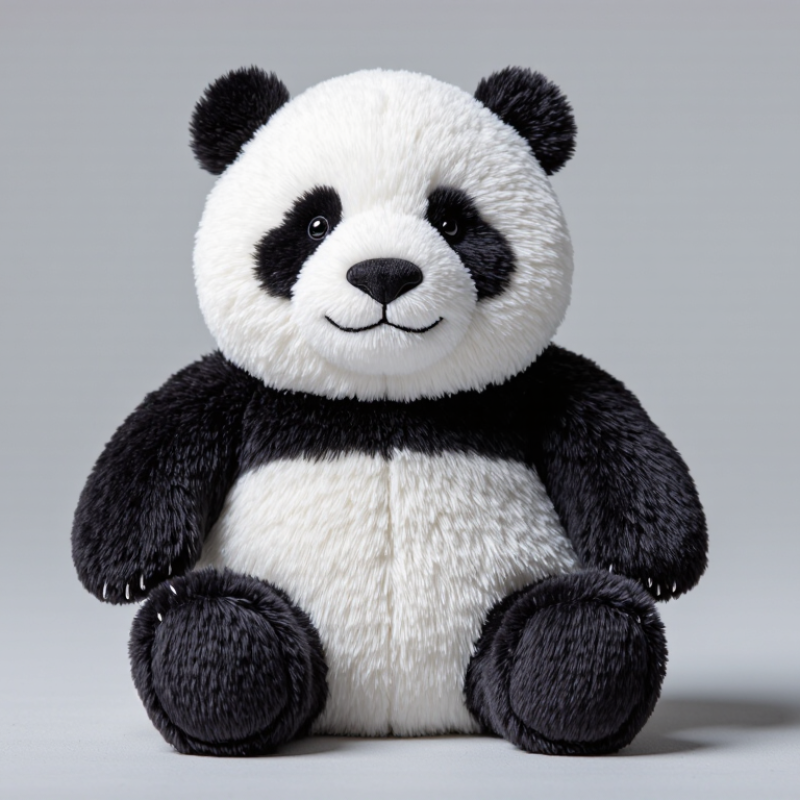
Choosing the right Panda Soft Toy can shape how customers remember your business. A plush panda may look simple on a product page, but small details matter: soft, evenly stitched fabric; secure seams; balanced stuffing; and an expression that feels warm rather than generic. Buyers also notice practical points, including available sizes, packaging, customization options, and whether samples match the final production run. One loose thread is easy to miss in a catalogue. It is harder to ignore in a customer’s hand.

A reliable choice starts with your audience and your sales plan. Consider whether the toy is a gift, a retail item, or part of a branded collection. Then compare samples, request clear material and production information, and ask suppliers how they manage consistency between batches. Check the details twice. A charming sample is not enough. This guide will help you assess design, quality, supplier communication, and value without treating the lowest quote as the best deal. There is room for judgment here: a softer finish may suit one brand, while another needs firmer stuffing or simpler packaging. No named expert quotation has been supplied for verification, so this introduction avoids inventing one. A trustworthy buying decision should be built on evidence, not borrowed authority.
How to Choose the Best Panda Soft Toy for Your Business?

Define Your Business Needs and Target Customer

Define your business needs before choosing a panda soft toy. A gift shop may need a compact, gift-ready design, while a museum shop may prefer a lifelike panda that supports educational displays. For online sales, consider shipping size, product photography, and packaging durability. For events, prioritize easy handling and a price point that works for bulk orders. Grand View Research estimated the global stuffed animal and plush toy market at USD 11.3 billion in 2022, with projected growth through 2030. This signals a substantial category, but it does not guarantee demand for every design.

Name your target customer clearly. Are you serving parents buying a first plush toy, collectors seeking detailed features, or tourists wanting a portable souvenir? Their preferences differ. A parent may value washable fabric and securely attached features; a collector may notice stitching, facial expression, and material texture. Ask a few real customers what they would choose, then compare their answers with your sales channel and budget. Small details matter. A panda’s black eye patches should look balanced in product photos, not just under showroom lighting. A tidy customer profile helps, though it can oversimplify people. Check assumptions against actual enquiries and returns before placing a large order.
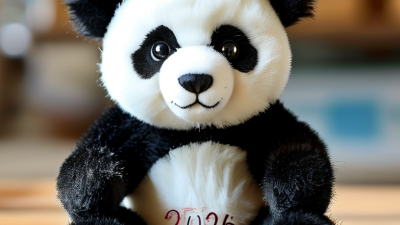
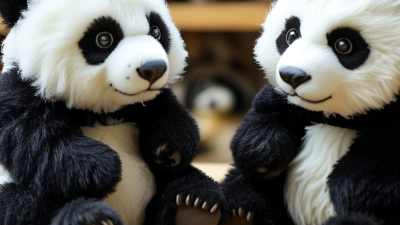
Compare Panda Soft Toy Materials, Sizes, and Designs

How to Choose the Best Panda Soft Toy for Your Business?

Material, size, and design directly affect retail performance. Grand View Research estimates the global stuffed toys market reached about USD 7.3 billion in 2023. The report also projects steady growth through 2030. Polyester plush offers soft texture, color consistency, and efficient production. Cotton feels natural, but it may wrinkle and shrink after washing. Recycled polyester supports sustainability claims, although suppliers should provide traceability documents. Check fabric shedding, seam strength, filling recovery, and washing results before approval. My first sample looked attractive, yet its fur shed after repeated brushing. That mistake changed my inspection checklist.

Size should match the sales channel. A 15-centimeter panda suits impulse displays and small gift sets. A 30-centimeter version feels more suitable for birthdays or home décor. Larger toys need stronger stitching and more storage space. Circana reported U.S. toy sales of approximately USD 28.6 billion in 2023, down 1% year over year. This suggests careful inventory planning matters, especially for bulky products. Designs should show clear facial features, balanced ears, and stable sitting positions. Avoid excessive accessories when they increase cost or complicate safety testing. Review applicable requirements, such as ASTM F963 or EN 71, with a qualified testing partner.

Tips: Request three material samples, not one. Compare softness after washing. Test embroidery under repeated handling. Ask for size tolerance data. A slightly imperfect prototype can reveal expensive production risks early. White fur also shows dirt quickly, which some buyers may underestimate. Document every test result before placing a larger order.

How to Choose the Best Panda Soft Toy for Your Business? — Compare Panda Soft Toy Materials, Sizes, and Designs

Use this comparison as a planning guide. Material feel, finished dimensions, construction, and care instructions vary by product and supplier; confirm specifications and applicable safety requirements before ordering.

Option Typical Characteristics Common Size Range Design and Use Business Considerations
Standard polyester plush Soft synthetic pile with a familiar plush-toy feel; commonly used for the outer fabric and polyester fiber filling. Small: 10–20 cm
Medium: 21–35 cm
Large: 36–60 cm
Works well for classic sitting pandas, gift items, and general retail collections. Often offers a broad choice of pile lengths and colors. Check seam strength, fabric shedding, and the stated cleaning method.
Short-pile plush Short, smooth surface that can make facial features and printed details easier to see. Commonly 15–35 cm Suitable for compact pandas, detailed expressions, and products intended for display or frequent handling. Can be easier to brush or wipe than longer-pile fabric, but cleaning suitability depends on the full toy construction and care label.
Long-pile plush Longer fibers create a fluffy appearance and a softer, more textured surface. Commonly 20–60 cm Creates a cuddly, decorative look for larger gift or home-display toys. Long fibers may obscure small details and can mat with use. Review grooming, shedding, and cleaning requirements.
Recycled polyester fabric or filling Polyester material made partly or wholly from recycled feedstock; the exact recycled content can differ by component. Available across small, medium, and large formats Can support a product range with a stated recycled-material feature when documentation is available. Request evidence for recycled-content claims and clarify whether the claim applies to the fabric, filling, or both.
Cotton or cotton-blend fabric Plant-based fiber, sometimes blended with synthetic fibers to change strength, texture, or performance. Often used for small and medium designs May suit a more fabric-textured or handmade-inspired appearance. Fiber content alone does not determine softness, durability, or environmental impact. Confirm the blend, colorfastness, and care instructions.
Mini panda Compact format; dimensions should be specified as the finished toy’s height, including how the toy is measured. About 8–15 cm Useful for party favors, checkout displays, small gifts, or collectible assortments. Small parts and age grading require careful review. Confirm applicable toy-safety rules for each sales market.
Medium panda Balanced size for shelf display and everyday cuddling. About 20–35 cm A versatile option for gift shops, seasonal promotions, and general merchandise. Compare packed dimensions and shipping volume as well as the finished toy size.
Large panda More prominent display presence and greater material use than smaller formats. About 40–80 cm or larger Suitable for statement gifts, store displays, or oversized promotional pieces. Check storage, packaging, transport, and shelf-space requirements before selecting a large format.
Classic sitting panda Upright seated body with contrasting black-and-white features. Available in a wide range of sizes Recognizable silhouette for a traditional panda collection. Ask for clear specifications for facial embroidery, eye construction, and the toy’s ability to sit securely.
Sleeping or lying panda Horizontal or curled posture, often with a relaxed facial expression. Commonly small to large Emphasizes a cuddly look and may work well as a bed or sofa companion. Compare the toy’s actual length and shape; stated height alone may not describe its footprint.
Custom accessory or outfit design May include removable clothing, a scarf, or another decorative accessory. Size depends on the base toy and accessory Can support seasonal themes, event gifts, or coordinated collections. Check accessory attachment, small-part risks, colorfastness, and whether the accessory changes care instructions.

Evaluate Safety Standards, Quality, and Product Durability

When choosing a panda soft toy for your business, request safety documentation for the markets where you plan to sell. Check that test reports match the exact toy, materials, and intended age group. A generic certificate may not cover a changed fabric or accessory. Look closely at eyes, nose, seams, and labels. Embroidered features can reduce loose-part concerns, while securely attached details still need proper testing. Small details matter.

Assess the finish by handling a sample, not just studying product photos. Rub the plush gently and check for shedding, rough seams, or uneven stitching. Press the toy and see whether the filling springs back without forming hard lumps. Ask how the toy should be cleaned and whether care instructions have been checked against washing tests. A tidy sample is useful, but one sample cannot prove every production run will be consistent.

Durability affects returns and customer trust. Inspect stress points, especially the neck, limbs, and seams around the body. If possible, request results from repeated pull and wash tests, plus details about quality checks during production. Keep a sample for comparison when later shipments arrive. That step takes time. It may feel fussy, but differences in fabric or stuffing can appear between batches. No checklist removes every risk, so review evidence and inspect products regularly.

Assess Suppliers, Customization Options, and Minimum Orders

For a panda soft toy, assess the supplier’s workmanship before comparing quoted prices. Request a sample and inspect its seams, embroidery, fabric feel, and filling distribution. Check whether the face stays symmetrical after gentle handling. Ask for documented quality checks and clear production timelines.

Grand View Research estimated the global plush toys market at USD 11.6 billion in 2023, with projected growth through 2030. That forecast suggests opportunity, not guaranteed demand.

Customization affects both cost and lead time. Confirm which details can change: fur color, eye style, clothing, labels, packaging, or dimensions. Ask for a revised sample when key features change. Specify measurable requirements, such as finished height and acceptable color variation. Vague instructions invite inconsistent batches. A spreadsheet won’t catch everything; review a physical sample under ordinary indoor light.

Minimum order quantities deserve equal scrutiny. Request separate quotes for sample, pilot, and full production quantities, including setup, packaging, and freight. Compare the total landed cost, not just the unit price. Ask whether mixed sizes or designs count toward one minimum. A low MOQ may carry a higher unit cost, while a large order can leave stock sitting. Grand View’s market estimate is broad, so use your own sales tests to set quantities. I’d rather start smaller, even if that choice is not perfect.

Calculate Costs, Lead Times, and Long-Term Business Value

Choosing a panda soft toy is a cost decision as much as a design decision. Circana’s 2023 global toy market report recorded a 7% decline in toy sales value, while average selling prices rose 2%. That pressure makes landed cost more useful than the factory quote alone. Add the toy, embroidery, labels, packaging, freight, inspection, and expected defects, then divide by sellable units. A sample costing $4.20 can become $5.60 after freight and quality checks. Small details add up.

Lead times need the same careful math. Ask suppliers to separate sample approval, material sourcing, production, and shipping; each stage can shift delivery dates. For a first order, I would leave room for an extra inspection or fabric delay. It may feel overly cautious. A late shipment can miss a seasonal sales window, while a rushed shipment may bring uneven stitching or mismatched colors. Confirm the fabric shade and face embroidery on an approved sample, not just in a message.

Long-term value comes from repeatable quality and sensible reorder sizes. Track defects, customer feedback, and sell-through after each batch. If demand is uncertain, compare the cost of a smaller first run with the storage and markdown risk of excess stock. There is no perfect forecast. A slightly higher unit cost may be worthwhile if consistent materials and reliable lead times make replenishment easier. Keep assumptions visible, then revise them when real orders arrive.