
Global buyers are looking beyond price when choosing Rc Plane Kits. They want dependable materials, clear instructions, and parts that can be replaced easily. A kit may arrive in a compact box, yet contain hours of practical learning. Builders can inspect the wing joiners, test the servos, and understand how each control surface works. That hands-on experience is valuable for beginners and experienced pilots.
Chris Foss, a respected model aircraft designer, is often linked with a practical principle: “Keep it simple, make it fly.” This idea remains relevant for international customers. A well-designed kit can reduce assembly confusion and support safer, more predictable flights. It may also suit different climates, transport conditions, and local flying environments. However, not every attractive kit deserves trust. Some product claims need checking. Photos can hide weak hinges, poor translations, or unavailable replacement parts.
Reliable suppliers should provide accurate dimensions, material details, assembly guidance, and realistic skill-level information. They should also explain battery requirements and shipping limitations clearly. Global buyers benefit from comparing manuals before ordering. Customer reviews can reveal whether the landing gear survives ordinary grass fields or fails after one rough arrival. Small details matter.
The best Rc Plane Kits are not simply inexpensive aircraft. They are practical learning platforms with measurable support behind them. Still, perfection is unlikely. A first build may need adjustment, extra adhesive, or better balance. That is part of the experience. Choosing carefully can turn a sealed box into a dependable aircraft and a lasting hobby.
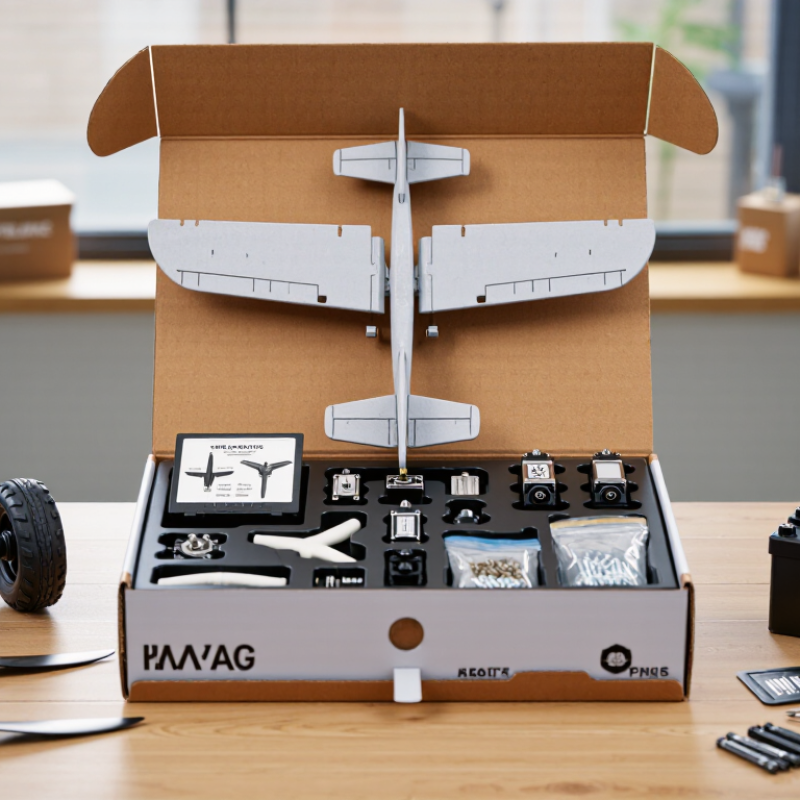
RC plane kits are packages of parts used to build a radio-controlled aircraft. Most include a fuselage, wings, tail surfaces, hardware, and an assembly guide. Some kits also provide a motor, electronic speed controller, servos, and battery connectors. Others leave these parts to the buyer. Read the specifications carefully. A kit is not always ready to fly.
The model works through coordinated electrical and mechanical systems. A transmitter sends commands to a receiver inside the aircraft. The receiver directs servos that move the elevator, rudder, and ailerons. The electronic speed controller adjusts motor power. A battery supplies energy, while the propeller creates thrust. When the control surfaces change position, the aircraft rolls, pitches, or turns.
Small errors matter. A loose linkage can make the model difficult to control.
For global buyers, kit design and documentation deserve close attention.
Metric hardware, replacement part availability, battery specifications, and radio frequency compliance can vary by market. Check the required voltage before ordering. Never assume every charger suits every battery.
During assembly, measuring wing alignment and balancing the model at the recommended center of gravity are practical steps. I have found that beginners sometimes trust attractive instructions too quickly; some diagrams lack detail. That weakness deserves criticism. Experienced builders can compensate, but new users may need verified manuals, local guidance, and a cautious first flight in a legal, open area.
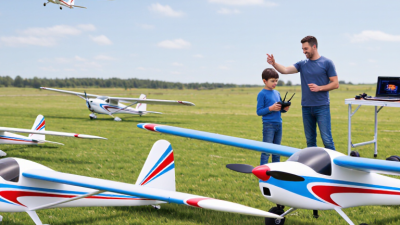
Why Choose RC Plane Kits for Global Buyers?
RC plane kits offer international buyers a practical way to learn, customize, and maintain their aircraft. Each assembly step reveals how wings, control surfaces, motors, and landing gear work together. This hands-on experience can improve flying confidence and basic repair skills. Buyers also gain more control over materials, design choices, and future upgrades. That flexibility matters when local replacement parts are limited.
A well-designed kit should include clear instructions, accurate measurements, and dependable hardware. Check the manual language, package dimensions, battery requirements, and spare-part availability before ordering. International shipping may involve extra costs or delays, especially for batteries and oversized packages. Confirm local radio-frequency rules and operating requirements before flying. A kit is not automatically suitable everywhere. The first build may also take longer than expected.
Tips: Choose a kit matching your experience level and workshop space. Read independent reviews carefully, not just product descriptions. Inspect hinges, connectors, and fasteners before assembly. Keep a simple build log with photographs. It helps identify mistakes later. Beginners sometimes rush the center-of-gravity check, but this small detail strongly affects stability. Even experienced builders can miss it. Measure twice, test gradually, and fly only in safe, permitted areas.
Choosing the right RC plane kit starts with matching the aircraft to your actual flying experience. A beginner usually benefits from a stable high-wing design and forgiving controls. Experienced pilots may prefer faster models with responsive handling. Do not choose by appearance alone.
Check the kit’s wingspan, finished weight, and recommended power system. A large model needs more storage space and a suitable flying area. Lightweight foam can survive minor landing mistakes, while balsa construction offers a more traditional building experience. I once underestimated assembly time, and that mistake made the first flight unnecessarily stressful. Read the manual carefully. Count every required component before ordering.
Global buyers should also inspect spare-part availability and shipping conditions. A damaged propeller is easy to replace only when compatible parts are accessible. Confirm whether batteries, chargers, and electronics meet local transport and safety requirements. Local aviation rules may require registration, approved flying zones, or distance limits. Check official guidance before flying. Weather matters too; strong wind can overwhelm a small trainer. A calm field is safer.
No checklist is perfect. Personal comfort still matters. Some builders enjoy patient woodworking, while others want a quicker assembly process. Consider your tools, budget, storage space, and realistic practice schedule. The best kit is not always the most advanced one. It is the aircraft you can assemble correctly, inspect carefully, and fly responsibly.
Why Choose RC Plane Kits for Global Buyers?
Shipping an RC plane kit internationally requires more than comparing prices. A practical choice is a kit with compact packaging, clear part lists, and sturdy internal protection. Fewer oversized components can reduce freight costs and lower the chance of damage. Check the packed dimensions, not only the aircraft’s wingspan. This detail is often overlooked.
Import rules vary by destination. Customs officials may request an accurate product description, invoice, country of origin, and declared value. Some kits include radio equipment, batteries, adhesives, or electronic parts that receive separate treatment. Battery shipments can require special labels and approved transport services. Ask the seller for safety documentation before payment. Small paperwork errors can delay delivery.
Check whether your country requires approval for the operating frequency or transmitter type. A kit may be legal to import but still require registration, certification, or operating limits. Official customs and aviation websites are more reliable than forum comments. A licensed customs broker can clarify uncertain classifications. Regulations change.
Choose insured shipping when the kit contains fragile wings or precision hardware. Photograph the unopened package if damage appears. Keep every receipt and tracking record. I have found that estimated delivery dates are useful, but never exact. Weather, inspections, and incomplete documents can change them quickly. Allow extra time.
Why Choose RC Plane Kits for Global Buyers?
Assembly, Customization, and Long-Term Maintenance
RC plane kits give global buyers more control than ready-to-fly models. The assembly process reveals how each component works. You learn the aircraft’s balance, wiring, and control surfaces through direct experience. A careful builder can spot loose connectors before the first flight. That knowledge often matters more than impressive packaging.
Customization is another practical advantage. Builders can adjust the wing angle, battery position, or landing gear for different flying conditions. A lightweight foam body suits beginners, while reinforced sections help frequent flyers. Still, customization requires restraint. Adding too much equipment can shift the center of gravity. The plane may look better but fly worse. Measure twice.
Long-term maintenance becomes simpler when you assembled the aircraft yourself. After several flights, inspect hinges, propeller adapters, screws, and battery leads. Small cracks near the nose can grow after repeated landings. Keep a basic log with flight time, repairs, and unusual vibration. This habit supports safer decisions and more consistent performance. Replacement parts should match the kit’s specifications, especially voltage, motor size, and control-system compatibility. Local weather also matters; moisture and strong wind can shorten service life. I once ignored a slightly bent shaft, and the resulting vibration damaged more than expected. That mistake was avoidable. Regular checks are not exciting, but they protect both the model and the investment.