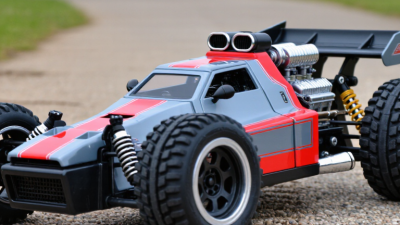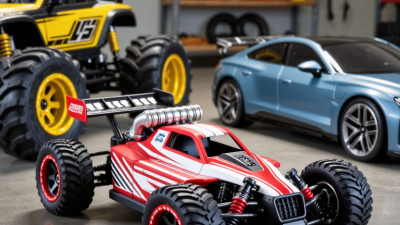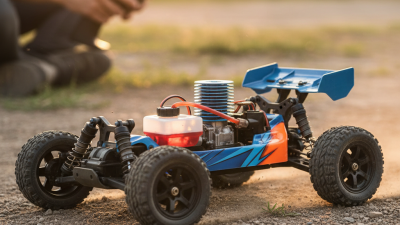
Choosing the right Petrol Rc Cars model in 2026 requires more than admiring speed figures. Engine response, drivetrain strength, suspension travel, and parts availability shape the ownership experience. A car that looks impressive online may feel difficult on loose gravel or expensive after repeated maintenance.
This guide examines ten petrol-powered RC cars using practical buying criteria. These include engine reliability, starting behavior, braking control, build quality, running time, and long-term support. Real driving conditions matter. A powerful engine can feel exciting on a wide dirt track, yet frustrating in a small garden. Smooth throttle control may prove more valuable than maximum speed.
Maintenance also deserves honest attention. Petrol RC cars need clean filters, suitable fuel, careful tuning, and regular checks around the clutch, gears, and suspension. Small problems can become costly if ignored. Regional fuel rules, noise limits, and manufacturer guidance should always be checked before use.
No ranking is perfect. Personal skill, terrain, budget, and repair confidence can change the result. Some experienced drivers may prefer a demanding model with sharper handling. Beginners may value predictable control and affordable replacement parts instead. The selections below aim to balance performance, reliability, and everyday practicality, while acknowledging that testing conditions cannot represent every driver’s experience. Expect useful comparisons, but keep a critical eye. The best choice is the one that suits your driving habits, storage space, maintenance patience, and local conditions.
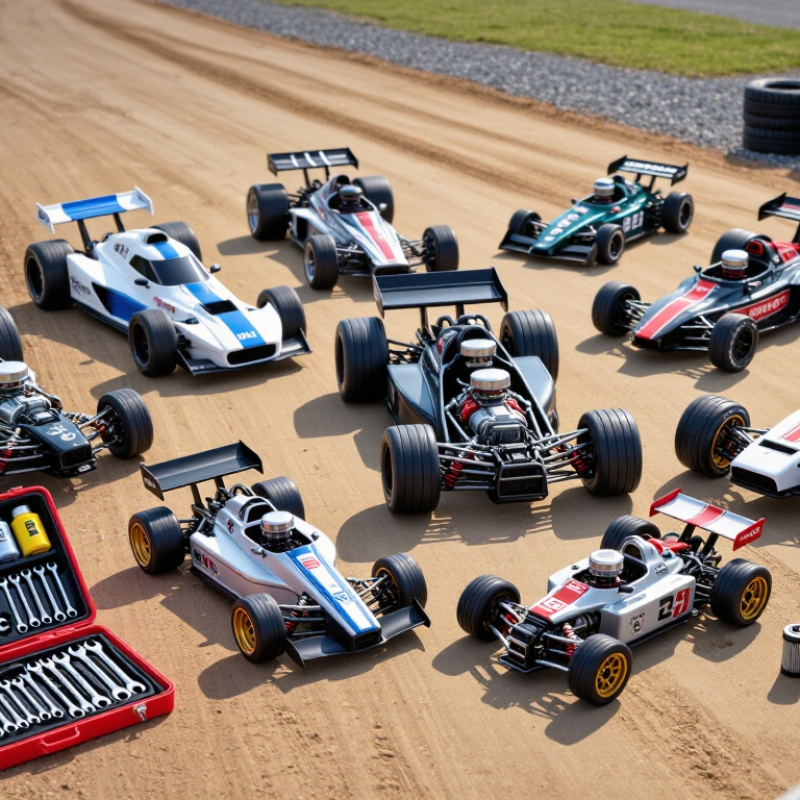
A petrol RC car uses a small internal-combustion engine, usually a two-stroke unit running on petrol and oil. It is different from a nitro model, which uses a specialized methanol-based fuel. Petrol cars are often larger, heavier, and louder than electric alternatives. You will hear the engine rise before the car reaches the far end of a field. Their exhaust smell and mechanical vibration create a more realistic driving experience. They also require fuel mixing, air-filter cleaning, clutch checks, and careful storage after use.
This type suits adults and experienced hobbyists who enjoy driving outdoors and maintaining machines. It can handle grass, loose soil, and rough tracks better than many small electric cars. However, petrol power is not automatically better. Acceleration may feel less sharp, and the engine can be frustrating on cold mornings. Beginners seeking quick, quiet practice may prefer an electric model. A petrol car makes more sense for patient drivers with outdoor space, basic tools, and time for repairs. It is a hobby, not just a remote-controlled toy.
Tips: Check local noise rules before running one. Use fresh fuel and measure the oil accurately. Inspect the brakes, throttle, and fuel lines before every session. Keep a spare air filter nearby. One overlooked screw can end an afternoon. Also, wear eye protection and let the engine cool before maintenance. Age-appropriate supervision remains sensible, especially around moving parts and hot surfaces.
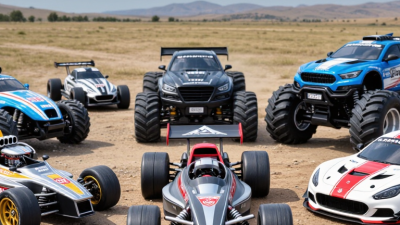
10 Best Petrol RC Cars to Buy in 2026?
Choosing a petrol RC car requires more than checking engine size. Grand View Research’s 2024 remote-control products report estimates the global market will expand strongly through 2030, increasing model variety and specification gaps. A larger engine can improve acceleration, but it also adds fuel use, vibration, and tuning demands. For casual driving, a moderate displacement engine may feel easier to control.
Compare the drivetrain carefully. A four-wheel-drive system offers better traction on loose dirt, while two-wheel drive can feel lighter and more playful. Check differential quality, metal gear strength, adjustable suspension, and ground clearance. A 2023 off-road vehicle consumer survey by the Specialty Equipment Market Association found that durability and repair access strongly influence enthusiast purchases. That matches my experience. Weak suspension parts become expensive quickly.
Fuel-tank capacity affects running time, but a larger tank increases weight. Look for a reliable fail-safe system, responsive steering servo, and a radio range suitable for open terrain. Noise matters too. The World Health Organization links repeated high-volume exposure with hearing risks, so hearing protection and considerate driving locations are sensible. Manufacturer claims can be optimistic. Inspect spare-part availability, brake response, clutch wear, and cold-start behavior before trusting a specification sheet. Availability often matters more than speed.
A practical comparison of popular petrol RC car configurations, focusing on performance, durability, running time, and ownership requirements.
| Rank | Petrol RC Car Type | Scale | Engine | Drive | Approx. Size | Approx. Weight | Typical Top Speed | Fuel Tank | Run Time | Best For | Key Features to Compare |
|---|---|---|---|---|---|---|---|---|---|---|---|
| 1 | 1/5 Scale 4WD Off-Road Truck | 1/5 | 29–32 cc, 2-stroke petrol | 4WD | 780–850 × 500–560 × 300–350 mm | 12–15 kg | 55–75 km/h | 700–1,000 ml | 25–40 min | Mixed terrain and high traction | Metal drivetrain, oil-filled shocks, sealed radio box, adjustable toe and camber |
| 2 | 1/5 Scale 2WD Stadium Truck | 1/5 | 26–32 cc, 2-stroke petrol | 2WD | 700–800 × 450–520 × 280–330 mm | 10–13 kg | 50–70 km/h | 600–800 ml | 25–40 min | Large open spaces and drifting | Lower weight, simple drivetrain, strong rear differential, easy access to clutch and air filter |
| 3 | 1/5 Scale Short-Course Truck | 1/5 | 29–32 cc, 2-stroke petrol | 2WD or 4WD | 750–830 × 480–550 × 290–340 mm | 11–14 kg | 55–75 km/h | 700–900 ml | 25–35 min | Jumps, dirt tracks, and rough surfaces | Long-travel suspension, reinforced chassis, protective body panels, high-clearance bumpers |
| 4 | 1/5 Scale Monster Truck | 1/5 | 26–32 cc, 2-stroke petrol | 4WD | 760–850 × 520–600 × 350–420 mm | 13–17 kg | 45–65 km/h | 700–1,000 ml | 25–40 min | Obstacles, grass, and uneven ground | Portal-style ground clearance, oversized tires, durable suspension arms, heavy-duty differentials |
| 5 | 1/5 Scale Baja-Style Buggy | 1/5 | 23–32 cc, 2-stroke petrol | 2WD or 4WD | 700–820 × 450–520 × 260–330 mm | 10–14 kg | 55–80 km/h | 600–800 ml | 25–40 min | Fast desert-style driving | Tubular roll cage, large suspension travel, lightweight chassis, efficient cooling and dust protection |
| 6 | 1/6 Scale 4WD Rally Car | 1/6 | 23–26 cc, 2-stroke petrol | 4WD | 650–740 × 390–460 × 250–300 mm | 8–11 kg | 45–65 km/h | 500–700 ml | 20–35 min | Gravel, compact dirt, and paved surfaces | Limited-slip differentials, sealed transmission, adjustable ride height, responsive steering geometry |
| 7 | 1/6 Scale Desert Buggy | 1/6 | 23–29 cc, 2-stroke petrol | 2WD or 4WD | 620–760 × 400–480 × 260–330 mm | 8–12 kg | 50–70 km/h | 500–800 ml | 20–35 min | Sand, dirt, and high-speed trails | Wide track, beadlock-style wheels, reinforced shock towers, washable air-filter system |
| 8 | 1/8 Scale Petrol Buggy | 1/8 | 23–26 cc, 2-stroke petrol | 4WD | 520–620 × 330–400 × 200–260 mm | 6–9 kg | 45–65 km/h | 400–600 ml | 20–30 min | Smaller tracks and easier transport | Compact chassis, moderate fuel use, adjustable shocks, accessible replacement parts |
| 9 | 1/5 Scale Petrol On-Road Touring Car | 1/5 | 26–32 cc, 2-stroke petrol | 2WD or 4WD | 850–980 × 430–520 × 220–280 mm | 10–14 kg | 65–90 km/h | 700–900 ml | 25–35 min | Smooth asphalt and speed runs | Low center of gravity, ventilated disc brakes, rigid chassis, tire compound, and gear ratio |
| 10 | 1/5 Scale Petrol Scale Crawler | 1/5 | 23–29 cc, 2-stroke petrol | 4WD | 650–780 × 450–540 × 350–450 mm | 12–18 kg | 25–45 km/h | 600–900 ml | 30–45 min | Technical trails and realistic scale driving | High-torque gearing, locking differentials, flexible suspension, low-speed throttle control |
Note: Specifications are representative ranges for commercially available petrol RC car configurations. Actual dimensions, weight, speed, fuel capacity, and running time vary according to setup, gearing, tires, surface, weather, and driving style.
Choosing among the ten best petrol RC cars to buy in 2026 requires more than checking speed. I examine engine response, chassis strength, steering accuracy, service access, and parts availability. A dependable model should start without drama and remain stable on loose ground. Petrol engines also create realistic sound and longer running sessions. That appeal is difficult to ignore.
The strongest choices include a compact off-road buggy for beginners, a reinforced desert truck for rough trails, and a balanced rally car for mixed surfaces. A large-scale monster truck offers impressive suspension travel, while a lightweight truggy feels sharper through corners.
Experienced drivers may prefer a high-clearance short-course truck, a durable stadium truck, or a competition-focused buggy. A touring-style car suits smooth asphalt. The final option is a scale-inspired trail truck with controlled power and detailed suspension movement. Each design serves a different driving habit.
I once overvalued top speed and underestimated maintenance. That was a costly lesson. Look for an accessible air filter, strong drive gears, sealed bearings, and a practical fuel tank. Cold starts can test patience. Keep a glow igniter, spare filters, and basic tools nearby. Petrol-powered RC cars need outdoor space, ventilation, and careful handling around heat. Check local noise, fuel, and operating rules before driving. A slower car with predictable control may deliver more enjoyable sessions than an aggressive machine that constantly needs adjustment.
Choosing a petrol RC car depends more on your driving habits than its advertised speed. A reliable match feels predictable, not merely powerful.
For beginners, choose a medium-sized 4WD model with adjustable throttle control. It handles loose soil, short grass, and small stones with fewer sudden spins. I recommend checking brake response before chasing maximum speed. A heavy chassis can feel stable, but it may become tiring during long sessions. My first powerful model was impressive for ten minutes, then difficult to carry and tune.
For backyard driving, compact 2WD cars offer simpler maintenance and a playful rear-wheel slide. They suit flat ground and drivers who enjoy learning throttle control. Larger 4WD models are better for open fields, gravel tracks, and uneven trails. Look for strong suspension arms, accessible air filters, and a fuel tank that is easy to inspect. These details matter after dust enters every small gap. Racing-focused models need precise steering and firm suspension settings, while scale-style trucks favor ground clearance and shock absorption. Neither setup is universally better.
Before buying, consider storage, fuel access, noise, and repair time. Petrol engines need careful starting, cleaning, and periodic adjustment. That commitment is real. Read independent tests, compare replacement-part availability, and inspect user reports showing long-term wear. A slightly slower car may deliver more enjoyable driving because it starts consistently and survives ordinary mistakes. My own choices have improved after admitting that speed was not always the real goal.
Petrol RC cars need more than fuel and a charged transmitter. A practical maintenance routine starts after every run. Brush away grit, inspect the air filter, and check the throttle linkage. Loose screws can turn a small vibration into expensive damage. The Competition and Markets Authority has highlighted product safety information as essential for consumer decisions. That principle applies here. Buy only models with clear manuals, spare-part support, and documented operating limits.
Fuel costs fluctuate. The U.S. Energy Information Administration’s weekly petroleum data shows regular changes in retail gasoline prices, so monthly budgets should include a buffer. Fuel is not the only expense. Expect costs for spark plugs, filters, clutch parts, tyres, batteries, and occasional tuning. A contaminated filter can increase fuel use and weaken engine response. I have found that cleaning too late often costs more than replacing the filter early. Still, maintenance schedules differ, and manufacturer claims deserve checking against real driving conditions.
Safety requires discipline. Run petrol RC cars outdoors in permitted areas, away from dry grass, vehicles, and crowds. Store fuel in approved containers, following local fire regulations. The National Fire Protection Association’s guidance on flammable liquids supports careful storage and ignition control. Petrol engines can also produce intense noise. NIOSH recommends limiting exposure above 85 dBA, so hearing protection is sensible during long sessions. Never refuel a hot engine. Let it cool completely. Small mistakes become costly quickly.