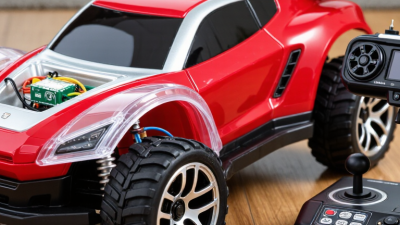
Leave Your Message

What Are Gasoline RC Cars and How Do They Work?

Gasoline Rc Cars are radio-controlled vehicles powered by small internal-combustion engines rather than electric motors. Many larger models use a two-stroke engine that runs on gasoline mixed with engine oil. The exact fuel ratio depends on the manufacturer, so the manual is the most reliable guide. They are not the same as nitro-powered cars, which use a different fuel and engine setup. The terminology can be confusing, even among hobbyists.

Here is the basic process. A transmitter sends steering and throttle commands to the car’s receiver. The throttle servo operates the carburetor, which regulates the air-and-fuel mixture entering the engine. A spark plug ignites that mixture, producing power that passes through a clutch and drivetrain to the wheels. It is a compact system, but each part needs careful setup. Small details matter.

Compared with many electric models, gasoline cars are often larger and can run for longer between refueling stops. They also make engine noise, need routine mechanical maintenance, and require attention to fuel handling and ventilation. An engine that starts easily is not automatically tuned correctly. That distinction matters. This introduction explains what gasoline RC cars are, how their main components work together, and what beginners should understand before running one. Their appeal is clear, but they are not effortless; learning to inspect, tune, and maintain a model is part of the experience.
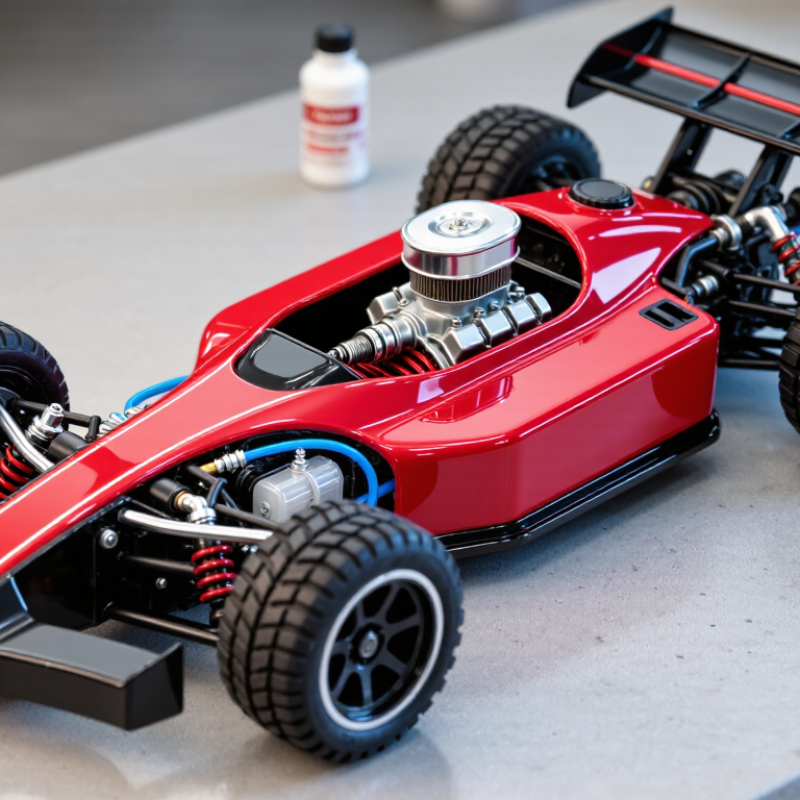
What Are Gasoline RC Cars and How Do They Work?

What Defines a Gasoline-Powered RC Car

A gasoline-powered RC car is defined by its combustion engine, not simply by its size or loud exhaust. Many models use a compact two-stroke engine that burns gasoline mixed with lubricating oil. A spark plug ignites the fuel and air inside the cylinder, producing power for the drivetrain. Some designs differ, so the fuel and engine instructions matter. That distinction matters. Gasoline engines are not the same as glow-fuel nitro engines, which use a different fuel and ignition method.

The engine turns a clutch and gearbox, which deliver power to the wheels. A radio receiver controls servos for steering and throttle, while a separate ignition system creates the spark. Fuel sits in a small tank, and the exhaust pipe carries away hot gases. You can often hear the engine idle before the car moves. It is not maintenance-free. Owners need to check fuel lines, clean the air filter, and inspect the spark plug. The smell, vibration, and engine noise are part of the experience, but they also make gasoline RC cars less quiet and simple than electric models.
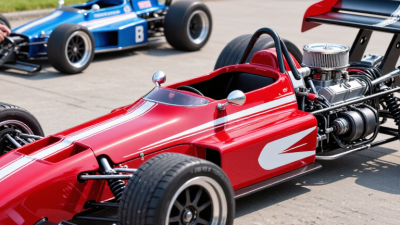

The Main Components and Their Roles

A gasoline RC car starts with a small spark-ignition engine. The piston compresses fuel and air, while the spark plug ignites the mixture. The carburetor meters fuel as the throttle opens. A separate servo moves the throttle linkage; it does not directly power the wheels. Small parts, big consequences. A dirty air filter can upset the mixture, and a loose fuel line may cause inconsistent running. Fuel and oil requirements vary, so follow the engine’s specified ratio.

Power then passes through a centrifugal clutch, which engages as engine speed rises. The clutch turns the drivetrain, sending torque through gears, differentials, and axles to the wheels. Another servo operates the brake. The receiver interprets signals from the transmitter and directs both servos.

It is easy to overlook cooling: airflow over the engine’s cooling fins helps control temperature, especially during slow driving. Not glamorous, but essential.

The U.S. EPA’s small spark-ignition engine standards list an 8.0 g/kWh HC+NOx limit for covered nonhandheld engines below 225 cc (40 CFR Part 1054). This is an emissions benchmark for that regulated engine class, not an RC-car performance rating. EPA categories may not map directly onto every model engine. That distinction matters.

How the Engine Converts Fuel into Motion

A gasoline RC car uses a small internal-combustion engine, often a two-stroke design. The engine burns a measured mixture of fuel and air inside a cylinder. A carburetor helps meter that mixture as air passes through it. A spark plug ignites it. The expanding hot gas pushes a piston downward, turning the crankshaft through a connecting rod. That is the basic cycle. It happens many times each second, so the wheels receive a steady stream of power rather than one strong push.

The crankshaft’s rotation reaches the drivetrain through a clutch and gears or a drive shaft. At low engine speed, the clutch usually keeps the wheels from turning; as speed rises, it engages and sends power forward. Then the wheels turn. Exhaust leaves through a tuned pipe, while airflow helps cool the engine. Small adjustments to the fuel mixture can change starting, acceleration, and engine temperature, but they take patience. Too lean a setting can make an engine run dangerously hot; too rich a setting may cause sluggish response. The exact behavior varies with engine design and conditions. Even a careful setup can feel a little inconsistent, especially as the engine warms up.

How Radio Signals Control Steering and Speed

A gasoline RC car is controlled by a handheld transmitter and a receiver mounted inside the vehicle. When you move the steering wheel or trigger, the transmitter sends a coded radio signal. The receiver interprets that signal and directs the appropriate servo. Small movements matter. A slight turn of the wheel can shift the front tires enough to change the car’s path.

Steering is handled by a servo connected to the front wheels through a linkage. Pulling the throttle trigger tells a second servo to move the engine’s throttle linkage, allowing more air and fuel into the engine. Releasing the trigger reduces the throttle; the brake may engage as the trigger moves back. The radio signal does not power the engine itself. It controls the mechanisms that respond to your input.

The car’s receiver uses an onboard battery, while the engine supplies its driving power. Signal quality can be affected by distance, obstacles, or a weak receiver battery. If the signal drops, a correctly configured failsafe can reduce throttle and apply braking. Response is quick, but not perfectly instant. On loose gravel, even a small delay or abrupt input can send the car wide, so smooth control takes practice. I still find that judging the throttle by sound can be tricky.

How Fueling, Starting, and Driving Work in Sequence

A gasoline RC car begins with careful fueling, not a quick splash from a can. Check the manual for the required fuel and oil mixture; engine designs differ, so guessing the ratio can cause damage. Use a small, clean funnel and wipe away spills before starting. The tank cap should close firmly. Keep fuel away from hot parts, and work outdoors on a level surface. Small details matter.

Before starting, set the car’s throttle to neutral and switch on the radio controls in the recommended order. Some engines use a choke and pull starter; others have different starting systems. Follow the engine’s instructions rather than forcing a cold start. Once it catches, let it idle briefly and listen for an uneven note or excessive smoke. I still find this part less predictable than it looks.

Driving comes after the engine settles. Test steering and brakes at walking speed, then make gentle turns across clear ground. A gasoline car has weight and momentum; sharp inputs can send it sliding wide. Keep fingers clear of moving wheels, and stop the engine before adjusting the drivetrain. Dust builds quickly. After a run, let hot parts cool before checking fuel lines, fasteners, and air-filter condition.